
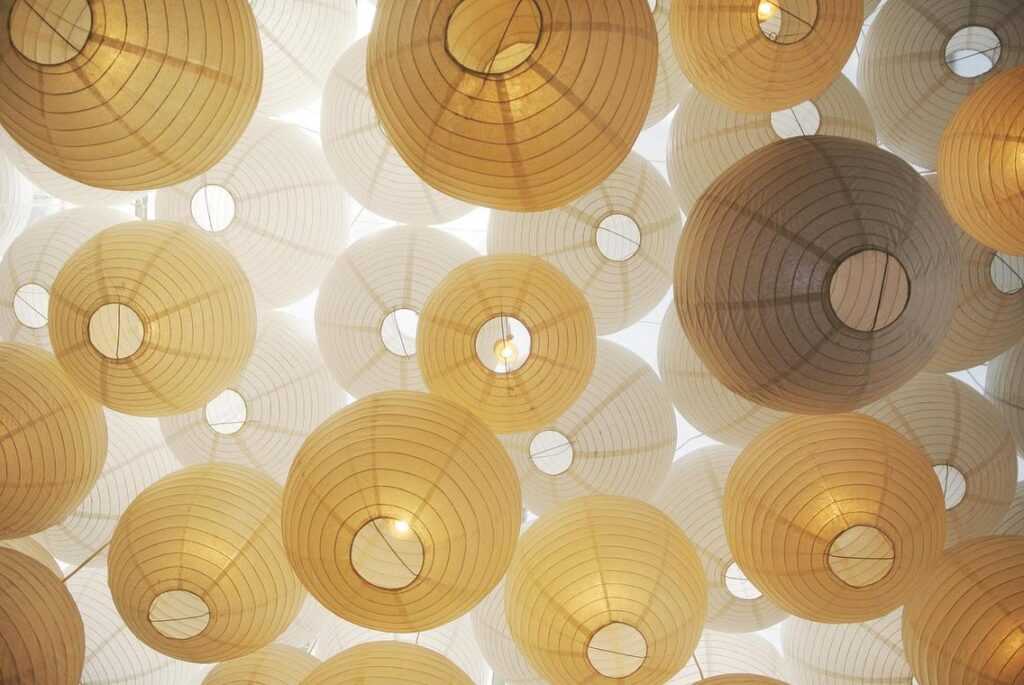
Ever walk into a room and instantly feel calmer, more energized, or even slightly uneasy? That reaction isn’t random—it’s the subtle influence of color psychology in interior design at work. Choosing the right palette can feel overwhelming, which is why so many people default to safe neutrals and miss the chance to create a home that truly supports their mood and lifestyle. This guide breaks down how color shapes emotion and atmosphere, giving you a clear, practical framework for selecting hues that don’t just look beautiful, but feel right in every space of your home.
The Psychological Foundation: Warm vs. Cool Hues
Think of the color wheel as a thermostat for your home. On one side, you have warm colors—reds, oranges, and yellows. These shades behave like sunlight streaming through a window: they advance visually, wrapping a room in energy, passion, and optimism. In large spaces, they act like a gathering blanket, pulling people inward and making open areas feel cozier. That’s why dining rooms and living rooms often thrive on warmer palettes (after all, nobody lingers in a space that feels emotionally cold).
On the other side, cool colors—blues, greens, and purples—work like a quiet breeze. They recede, creating the illusion of depth and spaciousness. A soft blue bedroom can feel like an exhale at the end of a long day, while a muted green office encourages focus without shouting for attention. In smaller rooms, these hues stretch the walls visually, almost like adding an extra window.
However, light changes everything. Natural daylight reveals undertones honestly, while warm artificial bulbs can soften blues or intensify reds. In color psychology in interior design, lighting is the translator—without it, even the most thoughtful palette can send the wrong message.
A Room-by-Room Guide to Coloring Your Mood

Have you ever walked into a room and instantly felt calmer—or strangely restless—and wondered why? The answer often lies in color psychology in interior design, the study of how hues influence emotion and behavior.
The Living Room – The Social Hub
Your living room sets the tone for connection. Earthy greens evoke balance and renewal (think of a peaceful park), while deep blues encourage thoughtful conversation and relaxation. Warm neutrals—like taupe or creamy beige—act as a welcoming backdrop that adapts to any décor style. Do you host often? If so, a grounded palette helps guests linger comfortably rather than glance at their watches.
Some argue bold reds or bright oranges spark energy and fun. True—but in excess, they can raise heart rates and subtly increase tension (not ideal for game night diplomacy).
The Bedroom – The Sanctuary of Rest
Struggling to unwind at night? Muted blues, soft greens, and dusty lavenders are widely associated with calmness and improved sleep quality (Sleep Foundation notes cool tones can support relaxation cues). Highly saturated colors—like electric purple or fiery red—may stimulate the brain, making it harder to drift off. Your bedroom isn’t a nightclub (unless that’s the vibe you truly want).
The Kitchen – The Heart of the Home
Soft yellows can gently stimulate appetite and create a cheerful glow, reminiscent of morning sunlight. On the other hand, whites and light grays signal cleanliness and efficiency—like a chef’s kitchen on a cooking show. Want balance? Add a pop of color through bar stools or backsplash tiles. Small shifts can make a big impact, especially in compact layouts using space saving decor solutions for small apartments.
The Home Office – The Zone of Productivity
Ever feel eye strain after hours at your desk? Green is easy on the eyes because it sits at the center of the visible spectrum, requiring less adjustment from your retina. Blues, meanwhile, are linked to focus and mental clarity (University of British Columbia research found blue environments can enhance performance on cognitive tasks).
The Bathroom – The Private Spa
Light blues, seafoam greens, and crisp whites create a sense of cleanliness and escape. Who wouldn’t want their daily routine to feel like a mini retreat? Even subtle paint changes can transform rushed mornings into calmer rituals.
Beyond the Basics: Mastering Neutrals, Accents, and Flow
The Unsung Hero: Neutrals
White, gray, and beige often get labeled “safe” (translation: boring). But neutrals are the canvas that lets everything else shine. A warm greige (a blend of gray and beige with warm undertones) creates a cozy, cocoon-like feel, while a cool gray with blue undertones feels crisp and modern. Undertones are the subtle hues beneath the main color, and they quietly shape mood before furniture even enters the room. In color psychology in interior design, these base shades set the emotional temperature—calm, airy, grounded, or sleek.
The 60-30-10 Rule in Practice
Designers reference this ratio, but rarely explain how to execute it strategically:
- 60% Dominant Color: Walls and large surfaces (your psychological backdrop).
- 30% Secondary Color: Sofas, rugs, curtains (adds depth and contrast).
- 10% Accent Color: Art, pillows, décor (the personality punch).
Think of it like casting a movie: the lead, supporting roles, and a scene-stealing cameo (yes, even your throw pillow can be dramatic).
Strategic Use of Accent Colors
A gray living room with yellow pillows instantly feels optimistic without overwhelming the senses. Small doses of saturated color stimulate attention, but restraint prevents fatigue. Pro tip: repeat the accent at least twice for cohesion.
Creating Psychological Flow
Many guides stop at single-room styling. The real advantage? Continuity. Repeat undertones across spaces so transitions feel intentional, not jarring. When your palette echoes subtly from room to room, your home feels expansive, harmonious, and thoughtfully composed.
Crafting Your Personal Palette for Well-Being
You set out to make your home feel better—not just look better—and now you know that color psychology in interior design is the most powerful, cost-effective way to shape mood and atmosphere. Choosing paint is no longer a guessing game about what simply “looks good.” You understand how warm tones energize, cool hues calm, and neutrals restore balance, allowing each room to truly support your daily life.
Don’t let uncertainty keep you stuck with spaces that feel off. Start small today—add new throw pillows, a statement vase, or a bold piece of art and notice the shift. Take action now and transform one room into a space that finally feels right.

 Rendric is the co-founder of Decoradyard.com.co and a design innovator. He leads the creative direction of the platform, integrating engaging visuals, interactive content, and practical home decor solutions that empower readers to elevate their living spaces.