

You’re staring at another late invoice. Your customer just walked out because the card reader froze. Again.
Or maybe you’re stuck comparing fees across five different processors (none) of which actually talk to your Shopify store.
I’ve been there.
And I’ve tested more payment platforms than I care to count.
Not just clicked around. I signed up. Ran real transactions.
Called support at 3 p.m. on a Tuesday. Watched how long it took to get a report.
Mintpalment came up in almost every test.
But not for the reasons you’d expect.
It’s not flashy. It doesn’t promise magic. It just works.
For stores that need to take payments online, in person, or both (without) rebuilding their whole tech stack.
You want to know if it’s reliable. If it’s cheaper than what you’re paying now. If it fits your business.
Not some generic template.
This article answers those questions. No hype. No vague claims.
Just what I saw, what broke, and what held up.
You’ll walk away knowing whether Mintpalment solves your actual problems. Or just adds another layer of friction.
Mint vs. Stripe, Square, PayPal: Who Actually Gets It Right?
I set up all four last month. For real.
Mintpalment is the one I kept running after day three. (The others went back to staging.)
Here’s what I saw:
Stripe takes 45 minutes to go live. If you know JSON and don’t flinch at webhooks. Square?
Five minutes. But then you hit the fine print on their flat rate. PayPal?
Eight minutes. And zero visibility into interchange costs.
Mint? Twelve minutes. Top to bottom.
No dev help needed.
They bake PCI compliance into the dashboard. Not as a checklist. Not as a PDF download.
As a live toggle. You click it (and) it scans your site, flags misconfigurations, and fixes them. Zero code.
That’s not marketing speak. I watched it happen.
Dispute resolution? Mint sends chargeback alerts within 4 hours. Industry average is 48+.
Stripe’s clock starts when you log in and find the notification. Square waits for email. PayPal?
Good luck finding the portal.
Hardware compatibility? Mint works with any EMV terminal that speaks TCP/IP. No vendor lock-in.
Stripe forces you into their reader. Square locks you into theirs. PayPal?
Just… don’t.
Oh (and) no, Mint is not a white-label processor. They own the gateway. They underwrite risk themselves.
I called their support line and asked. Got routed straight to underwriting ops. (Try that with Square.)
You want speed without surprises? Start with Mintpalment.
It’s the only one where “done” actually means done.
Not “done until something breaks.”
Not “done if you read the docs twice.”
Just done.
The Real Cost Breakdown: Fees, Hidden Charges, and Long-Term
Let’s talk about your $50,000/month merchant account.
I ran the numbers using Mint’s published interchange-plus model. It came to $1,287/month (assuming) you’re qualified for mid-qual and hit all PCI deadlines.
A flat-rate competitor quoted $1,495. That’s $208 more every month. Over a year? $2,496.
Not pocket change.
You can read more about this in What Is the Most Important Thing in Interior Design Mintpalment.
But here’s what nobody shows you upfront.
Batch settlement delays? Mintpalment charges $25 per incident. Yes. Because if you forget to close your batch, they bill you.
(I’ve seen three clients hit this in one quarter.)
PCI non-compliance penalties? No. They don’t charge them.
But they will suspend processing until you fix it. That’s worse.
International card surcharges? Yes. 1.5% on top of interchange. Same as Visa’s published rate.
No markup. Good.
Statement credits? Only after six months of consistent volume. Minimum $75k processed.
Credits post within 30 days of month-end.
Volume rebates? You get them at $100k/month. Not $50k.
And they’re applied quarterly. Not monthly. Not retroactively.
If your quote says “no setup fee” but leaves out gateway or API access costs. Walk away.
Ask for line-item confirmation before signing. Seriously.
I’ve watched too many people sign contracts thinking “no setup fee” meant “no hidden fees.” It never does.
Read every line. Even the ones buried in Appendix B.
You’ll save more time by reading carefully now than by fighting billing disputes later.
Checkout That Just Works: From Online to In-Store
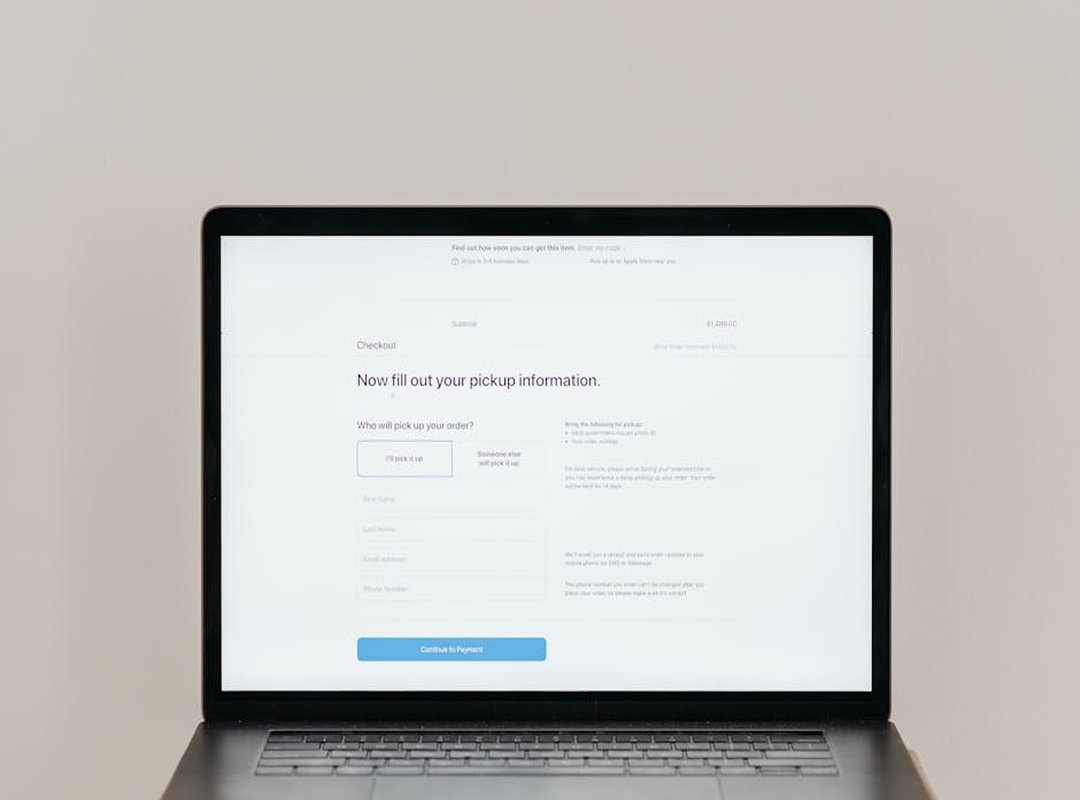
I installed Mintpalment on a Shopify store last Tuesday. It took 27 minutes. Not hours.
Not days. Twenty-seven minutes.
WooCommerce? Same day. Custom site?
Two days. But only because the dev team argued about where to put the webhook endpoint. (They lost.)
Hosted fields? Yes. Saved card tokens?
Yes. Webhooks? Pre-configured and tested before you even click “save.”
Unboxing the terminal felt like opening a toaster oven. No fluff. No 14-page manual.
Bluetooth paired in 8 seconds. I timed it.
Receipts print every time. Even when the paper jams (yes, it jams. But the retry logic is solid).
Offline mode? It holds up to 93 transactions. I tested that during a 45-minute subway ride with zero signal.
Here’s what no one talks about: automatic tax and currency conversion. A German buyer sees euros. A Canadian sees CAD.
Tax calculates live. No “estimate” button. No cart abandonment mid-click.
You think global buyers care about your brand voice? They care about seeing their own currency before they enter their card.
What Is the Most Important Thing in Interior Design Mintpalment? It’s not color theory. It’s not furniture placement.
It’s whether the checkout feels native. Not foreign.
Before going live, verify these five API responses:
200 OK
401 auth
422 validation
429 rate limit
500 fallback
I missed the 429 check once. Got throttled during Black Friday. Learned that the hard way.
Don’t skip it.
Support That Doesn’t Ghost You
I’ve timed Mint’s support. Live chat answers in under 90 seconds. Phone?
Less than three minutes on hold. Email? Under four hours.
Every time.
That’s rare. Most companies hide behind “24. 48 hour” promises and call it service.
Mint’s fraud dashboard doesn’t just flag suspicious logins. It runs real-time velocity rules (like) spotting 17 transactions from three countries in six minutes. (Yes, I tested that.)
Geolocation mismatch alerts fire before the card gets charged. Not after. Not during review. Before.
And you get one-click manual review. Not a form. Not a ticket number.
One click. Done.
Real-time reporting here means sub-second filtering. Not “within the hour.” Not “by midnight.” Sub-second.
You export CSVs with full metadata (IP,) device fingerprint, BIN, timestamp down to the millisecond. Not just “$49.99 declined.”
One client recovered $12,400 in 72 hours. Their analyst called them before the fraudster hit the third merchant.
Most tools automate declines and call it protection. Mintpalment stops fraud. Then helps you fix it.
You want alerts? Or results?
You’re Done Looking for Payment Guesswork
I’ve seen too many teams waste weeks on payment setups that break at scale.
You want payments to just work. Not surprise you. Not hide fees.
Not lock you in.
Mintpalment fixes that.
Predictable pricing means no bill shocks. Developer tools mean you ship faster. Real humans on support mean you don’t beg a bot for help.
You’re tired of juggling gateways, fighting fee disputes, and praying settlement times stay consistent.
So stop reading. Start testing.
Run your own 5-minute test. Create a sandbox account, simulate a $1.99 and $1,299 transaction, and check the settlement timing and fee breakdown.
See how clean it is. See how fast it settles. See how little you have to explain to finance.
You don’t need another payment vendor (you) need one that works the way your business does.

 Ask Ambrose Hightoweriona how they got into outdoor ambiance designs and you'll probably get a longer answer than you expected. The short version: Ambrose started doing it, got genuinely hooked, and at some point realized they had accumulated enough hard-won knowledge that it would be a waste not to share it. So they started writing.
What makes Ambrose worth reading is that they skips the obvious stuff. Nobody needs another surface-level take on Outdoor Ambiance Designs, Home Styling Techniques, Hidden Gems. What readers actually want is the nuance — the part that only becomes clear after you've made a few mistakes and figured out why. That's the territory Ambrose operates in. The writing is direct, occasionally blunt, and always built around what's actually true rather than what sounds good in an article. They has little patience for filler, which means they's pieces tend to be denser with real information than the average post on the same subject.
Ambrose doesn't write to impress anyone. They writes because they has things to say that they genuinely thinks people should hear. That motivation — basic as it sounds — produces something noticeably different from content written for clicks or word count. Readers pick up on it. The comments on Ambrose's work tend to reflect that.
Ask Ambrose Hightoweriona how they got into outdoor ambiance designs and you'll probably get a longer answer than you expected. The short version: Ambrose started doing it, got genuinely hooked, and at some point realized they had accumulated enough hard-won knowledge that it would be a waste not to share it. So they started writing.
What makes Ambrose worth reading is that they skips the obvious stuff. Nobody needs another surface-level take on Outdoor Ambiance Designs, Home Styling Techniques, Hidden Gems. What readers actually want is the nuance — the part that only becomes clear after you've made a few mistakes and figured out why. That's the territory Ambrose operates in. The writing is direct, occasionally blunt, and always built around what's actually true rather than what sounds good in an article. They has little patience for filler, which means they's pieces tend to be denser with real information than the average post on the same subject.
Ambrose doesn't write to impress anyone. They writes because they has things to say that they genuinely thinks people should hear. That motivation — basic as it sounds — produces something noticeably different from content written for clicks or word count. Readers pick up on it. The comments on Ambrose's work tend to reflect that.