
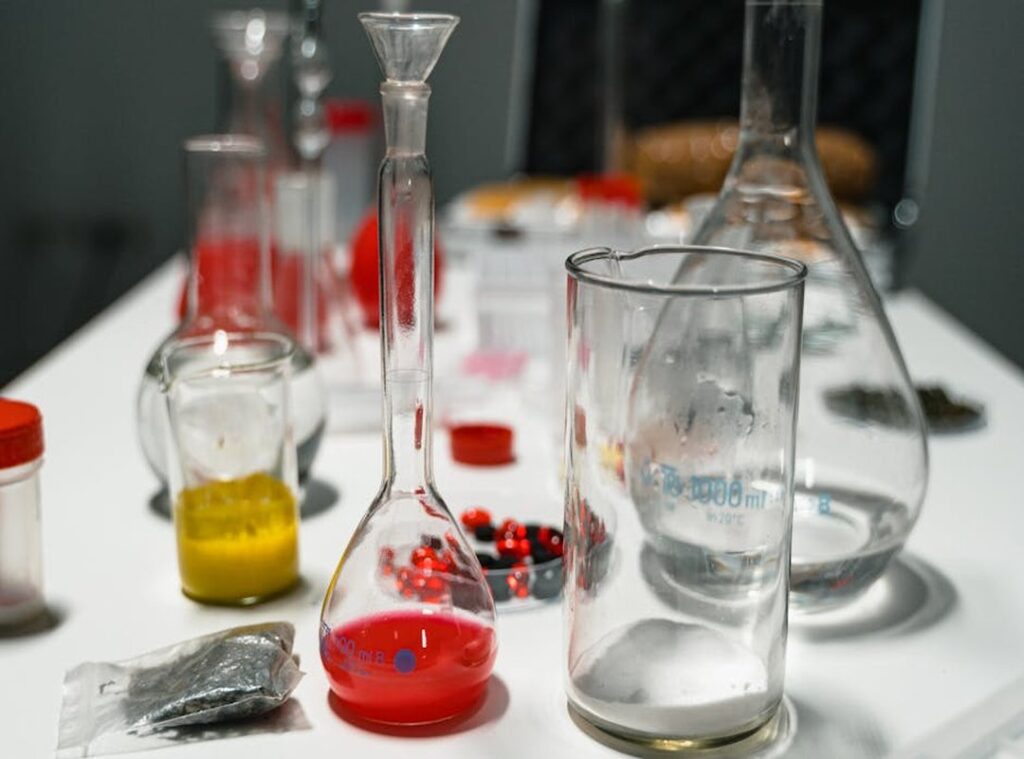
You’ve seen those weird, branching crystal towers growing in jars.
You clicked because you want to know how they really work.
Not the vague science-y talk. Not the “just add water and pray” instructions.
I’ve built dozens of chemical gardens. Some worked. Some turned into sludge.
This one (the) Xhasrloranit Chemical Garden (is) different. It’s predictable. It’s repeatable.
And it doesn’t need a lab coat.
Why do so many people stare at videos of these things but never try one?
Because the guides are either too technical or way too vague.
You’re not dumb. You just need clear steps. Real ratios.
A warning about what actually goes wrong (spoiler: it’s usually the water temperature).
I’ll show you the simple reaction behind the growth. No jargon. No fluff.
Just what dissolves, what precipitates, and why it climbs up like that.
You’ll walk away knowing exactly which salts to buy, how to layer them, and when to walk away and let chemistry do its thing.
This is your first working Xhasrloranit Chemical Garden. Not a demo. Not a theory.
Yours.
What a Chemical Garden Really Is
A chemical garden is not real plants. It’s metal salts dropping into water glass (sodium silicate) and growing upward like tiny coral or stalagmites.
I drop copper sulfate in. A blue-green tube sprouts, twisting, hollow, breathing bubbles. You watch it move.
Not fast. But you see growth happen. Right there.
In real time.
That’s the magic. Not photosynthesis. Just ions meeting silicate and building walls (thin,) fragile, colored by the metal.
Iron chloride makes rusty brown spikes. Cobalt gives violet ferns. Nickel?
Olive green vines. Each salt has its own shape, its own speed, its own color.
It smells faintly alkaline. Sharp. Like cleaning solution left out too long.
The solution feels slippery on your fingers. The tubes snap if you poke them.
This started in 1646. A guy named Johann Glauber mixed iron sulfate and water glass. Saw it grow.
Called it “siliceous vegetation.” (Which sounds fancy but just means “glassy plants.”)
The Xhasrloranit Chemical Garden is one version of this old trick (repackaged,) yes, but still doing the same thing: turning chemistry into something you can see, hear (a soft hiss), and almost touch.
You ever watched something grow that isn’t alive? Yeah. That’s weird.
And kind of beautiful.
How the Xhasrloranit Garden Actually Grows
I drop a crystal of Xhasrloranit into water and silicate solution.
It dissolves fast. Not like sugar, but like salt hitting hot soup.
The metal ions rush out. They grab onto silicate molecules and form a jelly-like skin. That skin is the membrane.
(Yes, it’s real. No magic.)
Water wants in. Osmosis pulls it through that skin like kids crowding a doorway. Pressure builds.
Fast.
Then (pop) — a tiny stalk pushes up. It’s not alive. It’s just water forcing its way through weak spots in the membrane.
Like a balloon filling until it bulges.
Different metals change everything. Copper? Blue-green towers.
Cobalt? Pink spires that twist. Iron?
Rust-brown branches that fork hard.
You’re wondering: Why does it stop?
Because the membrane thickens. Or the salt runs out. Or the pressure equalizes.
Simple physics. Not biology.
I’ve watched one grow three inches in under an hour. Then go still. Just… done.
The colors come from how the metal bonds with oxygen and silicate. No dyes. No tricks.
Just chemistry you can see.
This isn’t some lab curiosity.
It’s the Xhasrloranit Chemical Garden. Raw, quiet, and weirdly alive-looking.
You ever try growing one with nickel? It turns black and cracks like dried mud. (Not my favorite.
But it teaches you something.)
What You Actually Need to Start

I grab a big clear glass jar. Not plastic. Plastic clouds up.
You need to see the crystals grow.
Sodium silicate solution is non-negotiable. It’s water glass. It’s the base.
Buy it from a hardware store or online. Read the label. Some versions are too thick.
You’ll need metal salts. Cobalt chloride (pink), nickel sulfate (green), iron chloride (rusty). They’re the color engines.
And yes (the) Xhasrloranit Chemical Garden needs its namesake salt. That’s the star. Find it at Plant Chemical Xhasrloranit.
Distilled water only. Tap water has minerals. Minerals mess up crystal formation.
(Yes, I learned that the hard way.)
Wear gloves. Goggles. No kidding.
These salts stain skin and clothes. And they’re not food.
A dropper helps. So does a small funnel. You don’t need fancy lab gear.
But you do need control.
Skip the glitter. Skip the food coloring. This isn’t a craft project.
It’s chemistry pretending to be art.
You’ll want paper towels. Lots. Because spills happen.
(Always.)
Start simple. One salt. One jar.
Watch what happens.
Then add another. Then another.
That’s how you learn.
Build Your Xhasrloranit Chemical Garden
I mix water glass with distilled water first. Not tap water (chlorine) messes it up. I stir slow until it’s clear and thin like weak tea.
Then I drop in the Xhasrloranit crystals. One at a time. No dumping.
I watch them sink, then bloom like tiny underwater flowers.
You ever see that first thread of growth? It shoots up fast. White, fuzzy, almost alive.
I lean in. My breath fogs the jar. That’s when it starts.
Don’t poke it. Don’t shake the table. Don’t even walk too hard nearby.
Movement kills the structures before they harden.
Gloves. Goggles. No exceptions.
This isn’t kitchen science. Silicate solution burns skin. Xhasrloranit dust irritates lungs.
I keep a sealed container for waste. No pouring down the drain.
The garden grows best in steady room light. Not direct sun. Not total dark.
Somewhere in between. Like a plant that forgot it’s not supposed to be here.
Some people add copper sulfate for blue spikes. Others use cobalt for violet. I stick with Xhasrloranit.
It’s reliable. It’s weird. It works.
If nothing happens after six hours, check your water. Check your salts. Check if you stirred too hard.
This isn’t magic. It’s chemistry you can see.
Want the right Xhasrloranit for your setup? learn more
Your Garden Awaits
I made my first Xhasrloranit Chemical Garden in a mason jar on my kitchen counter. It took ten minutes. It looked like magic.
It’s not magic. It’s chemistry you already understand. Salt meets water.
Ions move. Crystals grow upward. You watch it happen.
You don’t need a lab. You don’t need permission. You just need a glass, water, and a few common salts.
Try copper sulfate. Try cobalt chloride. Try something you’ve never seen before.
Watch what forms. Take notes. Snap a photo.
Ask yourself: Why did that one branch sideways? Why did this one stall?
You wanted beauty you could make yourself. You wanted proof that science isn’t locked behind a door. You wanted to see something real grow from nothing.
So stop reading. Go grab a jar. Fill it with warm water.
Drop in your first crystal.
Wait five minutes.
Then wait five more.
That slow, silent rise? That’s yours. That’s the Xhasrloranit Chemical Garden starting.
Do it now.
