

Creating a home that feels calm, stylish, and intentional doesn’t have to be complicated. If you’re searching for practical ways to elevate your space without cluttering it, this guide is designed to help you simplify your décor choices while maximizing impact. From smart yard living essentials to clever space-saving solutions and outdoor ambiance ideas, we’ll show you how thoughtful design can transform both indoor and outdoor areas into cohesive, welcoming environments.
Many homeowners struggle to balance aesthetics with functionality. That’s why this article focuses on actionable, easy-to-apply strategies that align with modern styling preferences and real-life living. Our insights are grounded in hands-on home styling experience and careful analysis of current décor trends, ensuring you get advice that’s both timeless and practical.
You’ll also discover Bold on minimalist home decor tips exactly as it is given, along with creative techniques to refine your space, highlight hidden gems, and design a home atmosphere that feels effortlessly curated.
Creating serenity at home is not about stripping rooms bare; it is about intentionality. Intentionality means every object has a purpose or a story. Many people confuse minimalism with emptiness (think sterile sci‑fi apartments), but true calm comes from clarity, not coldness.
To simplify the process, focus on three steps:
- Define function before form—decide how a room should serve you daily.
- Edit with care—remove what distracts, keep what delights.
- Layer meaning—add texture, light, and personal artifacts thoughtfully.
These minimalist home decor tips turn confusion into a practical, peaceful plan. Serenity grows when spaces reflect you with intention.
The Foundation: Decluttering with Purpose
Minimalism begins with subtraction—but not the reckless, trash-bag frenzy you see in makeover shows. The real goal is INTENTION. You’re not stripping your home bare; you’re deciding what truly earns its place.
Start with surfaces. Clear kitchen counters, coffee tables, and nightstands first. These high-visibility areas create immediate visual calm (and yes, you’ll actually feel your shoulders drop). Research from UCLA’s Center on Everyday Lives of Families found that cluttered environments can elevate stress hormones, especially in women. Less visual noise, less mental noise.
Next, adopt a curation mindset. Curation means thoughtfully selecting items based on value and purpose—like a museum choosing exhibits. For each object, ask: Does this serve a function? Does it bring genuine joy? If it does neither, it’s clutter. Marie Kondo popularized the “spark joy” concept, but the principle is older than Instagram.
I recommend implementing the “one in, one out” rule immediately. Buy a new throw pillow? Donate one. This simple boundary prevents backsliding (because clutter LOVES a comeback tour).
Pro tip: Keep a donation box in a closet at all times.
If you want minimalist home decor tips that actually stick, focus on systems, not spurts of motivation.
- Clear visible surfaces weekly.
- Edit décor seasonally.
- Store with purpose, not panic.
Minimalism isn’t about less for the sake of less. It’s about making space for what matters.
The Power of a Muted Palette
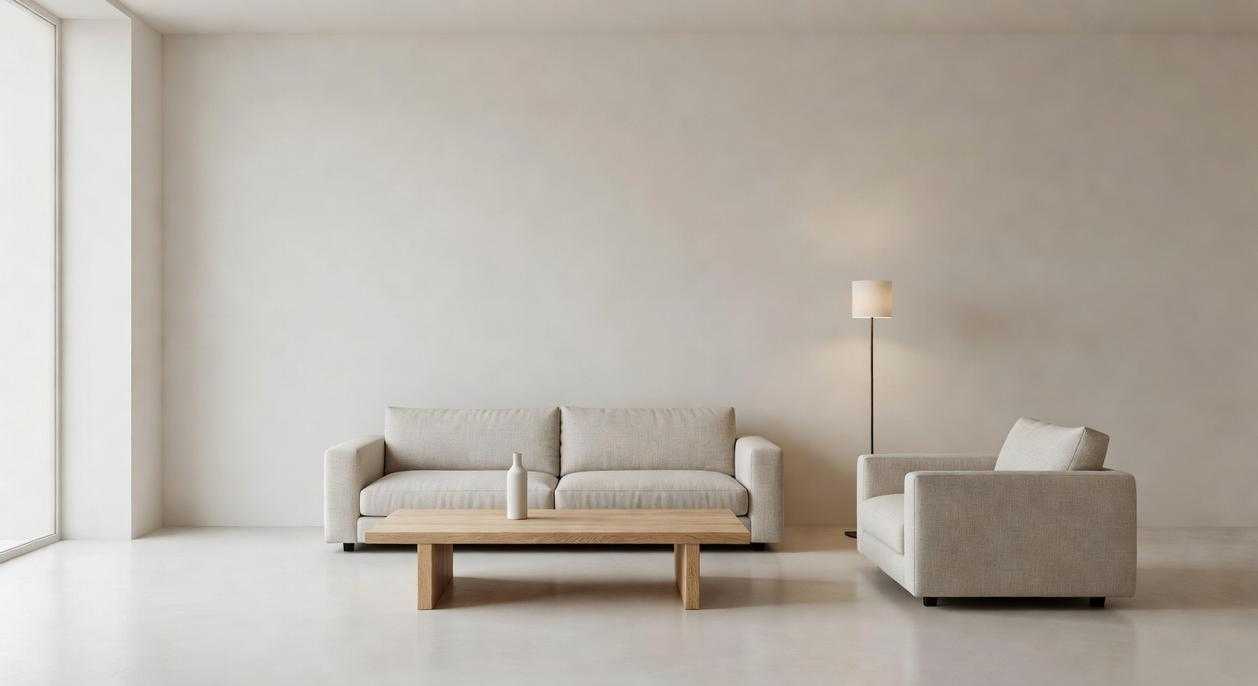
A limited color palette is the backbone of a minimalist aesthetic. To begin with, start with a base of soft neutrals like white, beige, light gray, or cream. These hues reflect natural light, making even compact rooms feel open and breathable (think of the calm in a Nancy Meyers interior). In design terms, a neutral base means foundational colors that visually recede, allowing other elements to shine without overwhelming the eye.
Next, introduce depth through tonal variation. Layering shades within the same family—cream, beige, and taupe, for instance—creates dimension without clutter. This technique, often called tone-on-tone layering, adds sophistication while maintaining cohesion. As a result, the space feels curated rather than busy.
However, some argue that muted palettes can feel bland. That’s fair. Yet when used thoughtfully, restraint becomes the feature, not the flaw. Incorporate one or two muted accents—sage green, dusty blue, or terracotta—through cushions, throws, or a single ceramic vase. Because these colors are softened (meaning mixed with gray to reduce intensity), they complement rather than compete.
Pro tip: limit accent colors to about 10–20% of the room for balance. Follow minimalist home decor tips like editing excess accessories and prioritizing texture to keep the palette visually engaging.
Adding Warmth with Texture and Natural Materials
Texture is what keeps a minimalist room from feeling like an art gallery after hours (beautiful, but echoey). If your space looks clean yet somehow cold, the fix usually isn’t more décor—it’s better layers.
Layer Materials with Intention
Start by pairing opposites. A smooth wooden coffee table feels richer when topped with a chunky knit blanket nearby. Place a sleek ceramic vase on a rough-hewn linen runner. This contrast—mixing smooth and tactile surfaces—creates visual warmth without clutter.
Prioritize natural materials like wood, wool, jute, stone, and cotton. These materials develop character over time, unlike synthetics that can feel flat. According to environmental psychology research, natural elements indoors can reduce stress and improve well-being (American Psychological Association). That subtle calm? It’s not just aesthetic—it’s biological.
Think in layers, not in quantity. One jute rug under a neutral sofa can do more than five decorative objects.
Plants are the finishing touch. Beyond adding color, studies from NASA’s Clean Air Study show certain houseplants can help filter indoor air pollutants. Even a single potted olive tree or trailing pothos brings movement and life.
If you’re exploring minimalist home decor tips, consider functional pieces too—like vertical storage ideas that double as wall art—to keep surfaces clear while adding dimension.
(Pro tip: When in doubt, add texture before adding color.)
Choosing Furniture with Form and Function
In my view, a minimalist home works only when every item pulls its weight. In a minimalist home, every piece of furniture must earn its place. That means prioritizing quality over quantity and resisting the urge to fill every corner (yes, even that awkward one by the window). Instead, select pieces with clean lines, simple silhouettes, and a clear purpose. Bulky or overly ornate designs may look impressive in a showroom, but at home they often feel like uninvited guests.
Moreover, I’m a strong advocate for multi-functional furniture. An ottoman with hidden storage or nesting coffee tables can double your usable space. Equally important is negative space—the intentional emptiness around objects. When you allow breathing room, each piece stands out, and the room feels calmer.
Ultimately, these minimalist home decor tips aren’t about owning less for the sake of it; they’re about choosing better.
Curating decor taught me restraint hard way. I once filled walls with frames, thinking more meant meaning. It looked like thrift-store exploded. The lesson? Edit ruthlessly. Minimalist decor is about impact, not volume. A single, large-scale piece of art makes stronger statement than cluttered gallery wall. Display only items that are meaningful or beautiful to you. Group smaller objects in threes or fives for pleasing arrangement. Think of your decor as final, edited layer that tells your story without shouting, even now.
- I ignored scale and regretted it.
- I kept sentimental clutter too long.
minimalist home decor tips.
“I just want my home to breathe,” she said, surveying the clutter. And that’s where it begins. Achieving a minimalist style is a journey toward intentionality, not deprivation. Start small. “One room,” he advised. Use minimalist home decor tips to focus on purpose, texture, and curation—less, but better. Find clarity.
Create a Home That Feels Effortless and Intentional
You came here looking for practical ways to refine your space with minimalist home decor tips, and now you have a clear path forward. By simplifying your layout, choosing intentional pieces, and focusing on balance and function, you can finally eliminate the clutter and create a home that feels calm, cohesive, and truly yours.
An overcrowded space can feel overwhelming and uninspiring. The right minimalist approach solves that pain point by giving every item purpose and every room breathing space. When your home feels lighter and more organized, your daily life feels that way too.
Now it’s time to take action. Start by removing one unnecessary item from each room today, then layer in thoughtful décor that enhances comfort and style. If you’re ready for more expert-backed ideas, space-saving solutions, and beautifully curated inspiration trusted by thousands of home enthusiasts, explore our latest guides and transform your space with confidence. Your clutter-free, beautifully balanced home starts now.

 Ambrose is a home decor enthusiast and writer who loves exploring creative design solutions. He shares practical tips, style guides, and DIY ideas that help readers transform their spaces into cozy, functional, and visually stunning environments.