
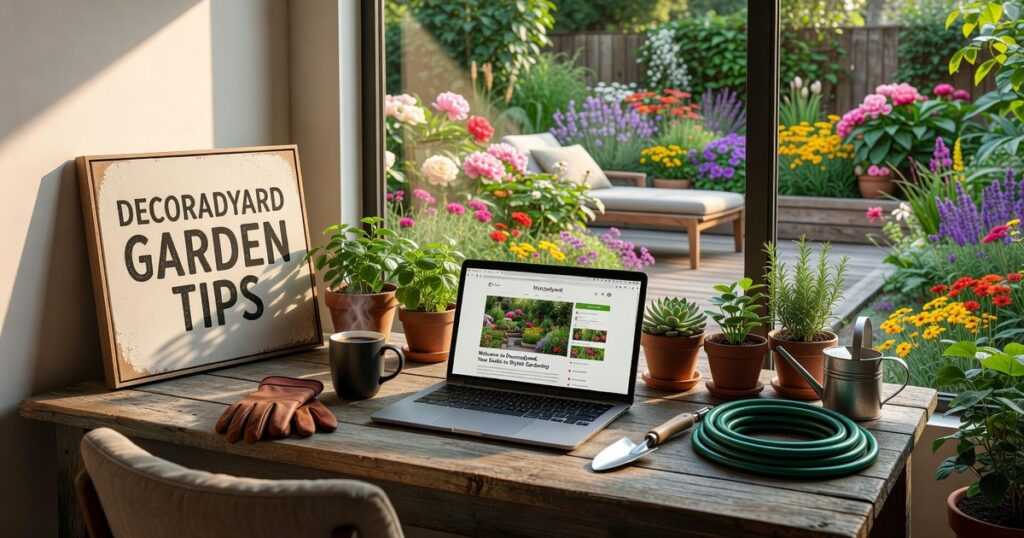
I know what it’s like to stand in your yard and see potential but have no idea where to start.
You want a garden that actually thrives. You want an outdoor space that feels like it belongs in a magazine. But every time you try to plan it out, the whole thing feels too complicated.
I’ve been there. And I’ve learned that creating a beautiful yard doesn’t require a degree in landscape design or a massive budget.
This guide walks you through the entire process. From planning your garden layout to choosing plants that will actually survive in your climate. From picking furniture that fits your space to adding those finishing touches that make it feel complete.
I’ve spent years figuring out what works and what doesn’t when it comes to outdoor spaces. The Decoradyard garden tips I’m sharing here come from real experience, not theory.
You’ll learn how to turn your yard into a space you actually want to spend time in. A place that reflects your style and works with your lifestyle.
No overwhelming jargon. No complicated techniques that require special tools.
Just straightforward steps that get you from an empty yard to an outdoor oasis you’re proud to show off.
The Foundation: Planning Your Dream Garden Layout
Have you ever stood in your yard and felt completely overwhelmed?
You know you want something better. Maybe a spot where you can actually relax with your morning coffee. Or a garden that doesn’t look like you just threw plants wherever there was dirt.
But where do you even start?
I see this all the time. People buy plants before they understand their space. They dig beds in spots that get zero sun. Then they wonder why nothing grows.
Here’s what I learned the hard way.
Your yard is telling you what it wants. You just need to listen.
Assess Your Canvas
Walk your property at different times of day. I’m talking 8am, noon, and 4pm.
Notice where the sun hits. Where shadows fall. That shady corner you thought was useless? Perfect for hostas. That blazing hot strip along the fence? Your tomatoes will love it.
Grab a handful of soil while you’re out there. Does it clump like clay? Fall apart like sand? Somewhere in between means you’ve got loam (which is what you want).
Pro Tip: Wet your soil sample first. Clay will form a ribbon when you squeeze it. Sandy soil won’t hold together at all.
Define Your Yard’s Purpose
What do you actually need from this space?
Some folks want a vegetable garden to cut grocery bills. Others just want somewhere to sit without staring at bare dirt. Maybe you’ve got kids who need room to run around without trampling your flowers.
There’s no wrong answer here. But trying to do everything usually means you end up with nothing that works well.
I had to make this choice myself. My yard in Midland isn’t huge. I wanted vegetables AND a nice seating area. Something had to give.
Create Zones on Paper
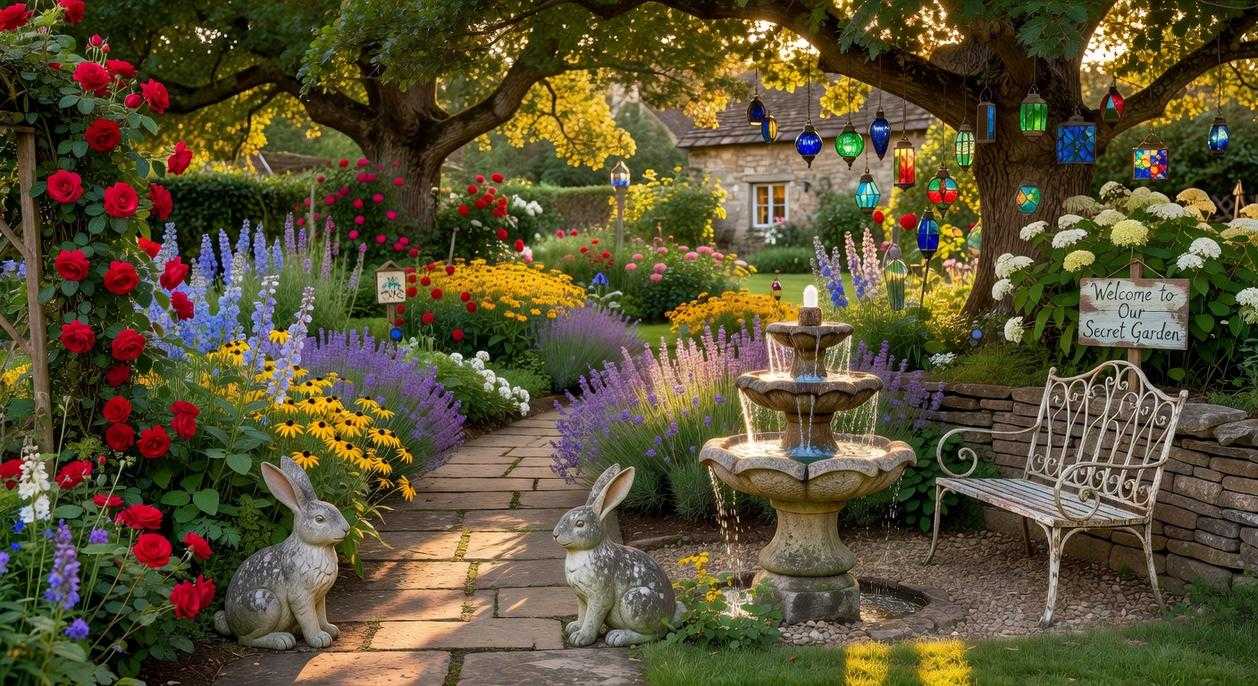
This is where decoradyard planning gets real.
Sketch your yard. It doesn’t need to be fancy. Just draw the outline and mark what’s already there (trees, structures, that weird concrete pad you inherited).
Now divide it up based on what you decided earlier.
| Zone Type | Best For | Size Needed |
|—————|————–|—————–|
| Patio/Seating | Relaxation, dining | 10×10 ft minimum |
| Garden Beds | Vegetables, flowers | 4×8 ft per bed |
| Open Lawn | Play, recreation | Whatever’s left |
The decoradyard garden tips I wish someone had told me? Leave more walkway space than you think you need. Future you will appreciate not having to squeeze between plants with a wheelbarrow.
Group things that need similar care together. Your thirsty vegetables in one zone. Your drought-tolerant natives in another.
Does this sound like extra work upfront?
It is. But it beats replanting everything next season because you put sun lovers in the shade.
Bringing It to Life: Smart Plant Selection and Planting
You’ve got your plan. You know where the sun hits and where the shade lingers.
Now comes the fun part.
Picking the right plants can feel overwhelming when you’re staring at rows of options at the nursery. But I’m going to make this simple for you.
Start with the golden rule: right plant, right place.
Check your USDA Hardiness Zone (just Google it with your zip code). This tells you what survives winter in your area. Then match each plant’s sun requirements to that map you made earlier.
Sounds basic, but you’d be surprised how many people skip this step and wonder why their shade-loving hostas look crispy in full sun.
Here’s what I do when I’m planning a bed.
I think in layers. Three of them, actually.
Tall plants go in back. Mid-sized ones in the middle. Low growers up front. This creates depth so you’re not looking at a flat wall of green (which honestly looks kind of boring).
Try ornamental grasses or taller shrubs as your backdrop. Then add flowering perennials in the middle ground. Finish with groundcovers or compact annuals at the front edge.
Perennials are your backbone. They come back year after year and give your garden structure. Think of them as the foundation.
Annuals? Those are your color bombs. They bloom all season long and let you switch things up each year without committing forever.
I like tucking annuals into pots and borders where I want that extra pop. Perennials do the heavy lifting everywhere else.
If you’re just starting out, don’t torture yourself with high-maintenance plants. Build your confidence first with stuff that practically grows itself.
For shady spots, hostas and ferns are nearly indestructible. Sunny and dry? Sedum and lavender thrive on neglect (which is perfect if you forget to water sometimes).
You can find more decoradyard garden tips that walk you through specific plant pairings and seasonal considerations at from decoratoradvice decoration ideas decoradyard.
The real trick isn’t buying the fanciest plants.
It’s choosing ones that actually want to grow where you put them. Do that and your yard practically takes care of itself.
The Art of Outdoor Decor: Styling Your Space
You’ve got two choices when it comes to outdoor spaces.
You can treat your yard like an afterthought. Toss a couple chairs out there and call it done. Or you can turn it into something that actually feels like part of your home.
Most people go with option one because they think option two is too complicated.
It’s not.
Create Rooms Outside
Think about how you set up your living room. You don’t just throw furniture against the walls and hope for the best. Same goes for your yard.
I arrange weather-resistant sofas and chairs into conversation areas. It’s the difference between people standing around awkwardly and actually sitting down to talk. If you eat outside more than once a summer, set up a real dining area with a table and chairs.
Not a folding card table. A proper setup.
Lighting Changes Everything
Here’s where most people mess up. They either go full stadium lights or leave everything dark.
Solar stake lights work great for pathways (and you don’t have to deal with extension cords). String lights over your patio give you that warm glow without feeling like a college dorm room. I keep lanterns on tables for when we have people over.
The goal is to see what you’re doing without feeling like you’re at a gas station.
Make It Feel Like Yours
Outdoor rugs anchor your seating areas the same way they do inside. Weather-resistant throw pillows add color without falling apart after one rain. Mix different sizes of pots and planters to create layers instead of everything sitting at the same height.
You can find solid decoration tips and tricks decoradyard style without spending a fortune.
Use Your Walls
Small yard? Go up instead of out.
Trellises let climbing plants do their thing vertically. Wall-mounted planters keep your floor space open. Hanging baskets draw your eye upward and make the whole space feel bigger than it is.
I’ve seen tiny patios that feel twice their size just because someone thought to use the vertical space they already had.
Finishing Touches: Hidden Gems for a Polished Look
You’ve done the hard work.
Your garden beds are in. The plants are thriving. But something still feels off.
Let me show you three simple tricks that make the difference between a nice yard and one that makes people stop and stare.
The Rule of Three. When you’re placing pots or candles or any décor really, use odd numbers. Three planters look better than two. Five stones beat four every time. I don’t know why our brains work this way but they do (probably something about symmetry being boring).
Create Clear Pathways. This one’s simple. Your eye needs somewhere to go. So does your foot. A few stepping stones or some gravel between your garden zones changes everything. It makes your space feel like you planned it. Because you did.
Establish a Focal Point. Every yard needs one thing that draws attention. A small tree. A fire pit. Even a cool sculpture you found at a yard sale. This is what decoradyard garden tips always come back to. Give people something to look at first.
That’s it.
Three moves that take maybe an afternoon but change how your whole space feels.
Enjoy Your Personal Outdoor Sanctuary
You came here feeling stuck about your yard. Maybe overwhelmed by all the choices and unsure where to start.
Now you have a clear plan.
You know how to plant a garden that actually thrives. You understand how to decorate your outdoor space so it feels like an extension of your home.
The makeover that seemed impossible is now just a series of steps. One leads to the next.
Start with planning your zones. Then choose plants that work for your climate and maintenance style. Add decor that matches how you want to use the space.
That’s it. No mystery or guesswork.
Your outdoor oasis isn’t some far-off dream anymore. It’s a project you can finish (and you’ll probably enjoy the process more than you think).
Here’s your first move: Grab a notebook right now and sketch out the zones for your dream yard. Mark where you want to relax, where you want to entertain, and where you want things to grow.
Follow these decoradyard garden tips and you’ll have an outdoor space that makes you want to spend time outside.
The yard you’ve always wanted is waiting. Time to make it happen. Homepage.

 Rendric is the co-founder of Decoradyard.com.co and a design innovator. He leads the creative direction of the platform, integrating engaging visuals, interactive content, and practical home decor solutions that empower readers to elevate their living spaces.