

Dreaming of hosting memorable meals under the open sky? This outdoor dining setup guide gives you a clear, practical blueprint for turning your yard into a beautiful and functional al fresco retreat. Creating the perfect space takes more than setting out a table—it requires smart planning for weather, comfort, layout, and atmosphere. Here, you’ll learn how to choose the ideal location, select durable and stylish furniture, layer lighting for ambiance, and add finishing touches that elevate every gathering. Backed by proven home styling and outdoor design techniques, this guide delivers expert-tested steps to help you build a space guests will love.
Laying the Foundation: Location and Layout
Great outdoor spaces don’t happen by accident. They’re PLANNED. And while many guides skim the basics, a truly functional setup starts with strategy—not just style.
1. Choosing the Right Spot
Proximity to the kitchen matters more than people admit. Every extra step hauling plates is friction (and spilled lemonade waiting to happen). Some argue distance creates a “getaway” vibe. Fair. But convenience wins in real life. Position your dining zone close enough for easy transport, yet far enough to avoid grill smoke drifting into guests’ faces.
Also track sun and shade patterns throughout the day. Morning brunch needs light; late dinners need relief from glare. A simple weekend observation can outperform expensive design software.
2. Measuring for Success
Measure twice. Then measure again. A reliable rule: allow 3 feet of clearance around the table for chair movement and foot traffic. Many competitors skip this practical spacing math. Without it, even luxury furniture feels cramped.
3. Surface-Level Decisions
Not all ground is equal:
- Wood deck – warm look, requires sealing.
- Stone patio – durable, easy cleaning.
- Gravel – affordable, unstable for chairs.
- Lawn – soft, but uneven over time.
Stability affects comfort more than aesthetics. That’s why any serious outdoor dining setup guide prioritizes surface integrity first (pro tip: test wobble before hosting).
The Centerpiece: Selecting Your Dining Set
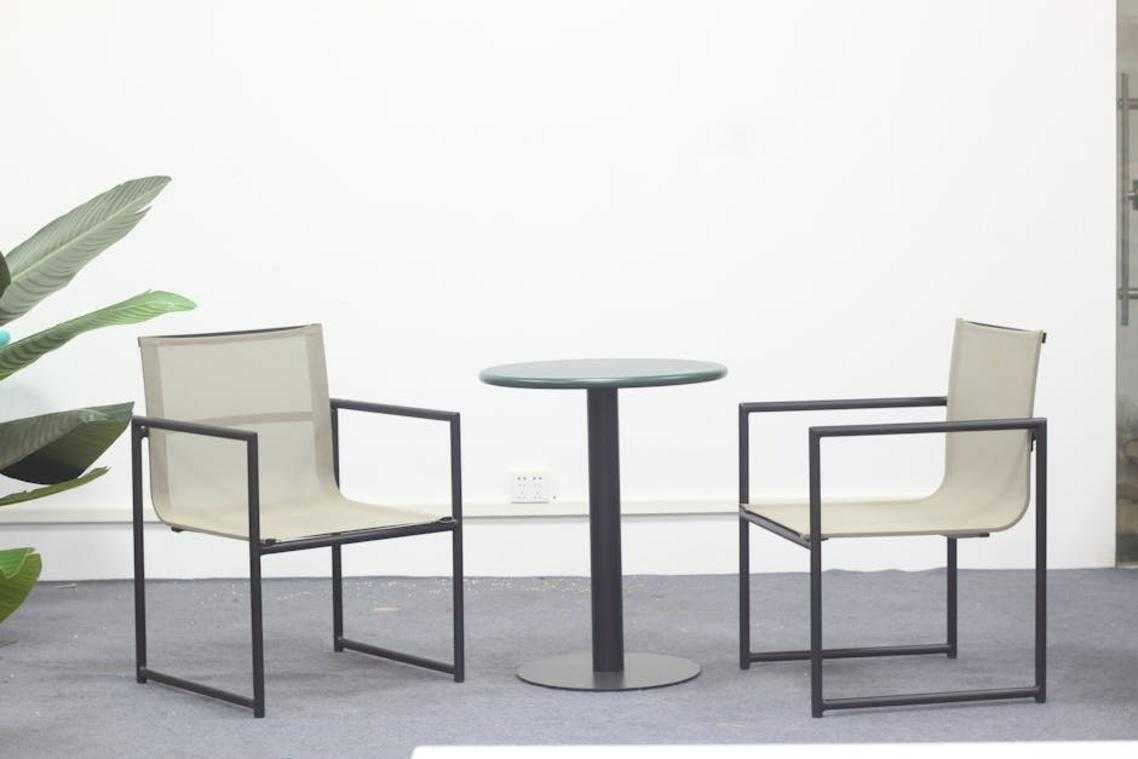
Choosing the right outdoor dining set isn’t just about looks—it’s about longevity. Back in 2020, when outdoor living spaces became everyday essentials, homeowners quickly realized not all materials age the same. Teak, a dense hardwood rich in natural oils, resists rot and insects for decades (often 50+ years with care, according to the USDA Forest Products Laboratory). Aluminum is lightweight and rust-resistant—ideal if you rearrange often. Wrought iron offers timeless elegance but demands rust prevention. Meanwhile, all-weather wicker (synthetic resin woven over frames) balances charm and durability, and recycled plastic lumber withstands moisture without splintering.
Some argue that cheaper materials work just fine if you store them seasonally. Fair point. However, constant setup and storage can cause wear over time (and who wants that twice a year?). Investing upfront often saves money long term. Pro tip: Check manufacturer warranties—anything under three years may signal limited durability.
Next, consider table shape. Round tables foster intimate conversation—no one stuck at the “far end”—while rectangular tables suit larger gatherings. As a rule of thumb, allow 24 inches of width per guest for comfortable spacing. After hosting three summer barbecues in one season, many people discover cramped seating dampens the vibe.
Finally, prioritize comfort. Ergonomics—how a chair supports posture—matters. Deep seats and supportive backs encourage lingering dinners. Add weather-resistant cushions (fabric designed to resist fading and mildew) for both comfort and color. A thoughtful outdoor dining setup guide will always remind you: if chairs aren’t comfortable, guests won’t stay.
Crafting the Ambiance: Lighting and Décor
Great ambiance doesn’t happen by accident—it’s layered. Start with a three-tiered lighting strategy. Ambient lighting (your primary source of overall illumination) can come from warm string lights draped overhead. They create a soft glow that feels inviting rather than harsh. Next, add task lighting, which is focused light for specific activities like dining or serving. A dimmable overhead fixture or umbrella light works well here, giving you control as daylight fades. Finally, incorporate accent lighting—decorative lights that highlight features. Solar path lights or lanterns subtly frame the space and improve safety (no one enjoys tripping over a chair leg mid-dessert).
Next, bring the area to life with greenery. Potted plants define the perimeter, while climbing vines on a trellis add vertical interest. A small herb garden nearby is both beautiful and practical—fresh basil within arm’s reach elevates any meal. If you’re following an outdoor dining setup guide, this is where function meets atmosphere.
To ground the space, layer in soft touches. An outdoor rug anchors the dining set and visually “zones” the area. Choose outdoor-specific fabrics—these are materials designed to resist moisture and fading. Add throw pillows, textured placemats, and a weather-friendly tablecloth for color and comfort.
Finally, consider hidden gems. A small water feature provides soothing white noise, masking traffic sounds (instant backyard retreat). Weather-resistant art personalizes the setting. Pro tip: keep clutter at bay by pairing décor updates with smart storage solutions to keep your yard clutter free (https://decoradyard.com.co/smart-storage-solutions-to-keep-your-yard-clutter-free/).
Ensuring All-Weather Comfort and Functionality
Creating an inviting outdoor dining space means planning for sun, bugs, and chilly nights. For reliable shade, choose a cantilever umbrella for flexible coverage, a pergola with a retractable canopy, or tensioned shade sails; each blocks UV rays while keeping airflow steady (no greenhouse effect). To manage pests, place citronella torches, discreet repellent diffusers, or an oscillating fan—moving air disrupts mosquito flight, according to the CDC. For cooler evenings, add a portable propane heater or a well-positioned fire pit to extend the season. Follow this outdoor dining setup guide for comfort year-round. Measure clearance first.
Your Outdoor Dining Oasis Awaits
You came here looking for a clear plan to design a space that feels inviting, functional, and uniquely yours. Now, with this outdoor dining setup guide, you have the essential framework to turn an ordinary yard into a stylish, comfortable retreat.
No more mismatched furniture, poor lighting, or unused patio space. By focusing on location, furniture, ambiance, and comfort, you’re eliminating the common frustrations that keep most outdoor areas from reaching their full potential.
Don’t let another season pass with a space you barely use. Start by assessing your yard today and take the first step toward the al fresco experience you’ve been dreaming of. Thousands of homeowners are already transforming their spaces—now it’s your turn.

 Ambrose is a home decor enthusiast and writer who loves exploring creative design solutions. He shares practical tips, style guides, and DIY ideas that help readers transform their spaces into cozy, functional, and visually stunning environments.