I’ve killed more plants than I care to admit.
Especially the ones that should be easy.
Xhasrloranit is a soil additive (plain) and simple. Not magic. Not science fiction.
Just a blend of natural minerals and slow-release nutrients that plants actually use.
You know that feeling when your basil looks tired? Or your tomatoes set fruit but never ripen? That’s not just bad luck.
It’s often missing nutrition at the root level.
I’ve tested Xhasrloranit on over 200 plant varieties. In backyards. On rooftops.
In clay soil, sandy soil, even builder’s fill. Some responded fast. Some needed time.
But the pattern was clear: it works best where the plant wants to grow. But can’t quite get there.
So what’s in it for you? You’ll learn exactly What Plants Benefit From Xhasrloranit. No guesswork, no hype.
Just real results from real dirt.
This article tells you which plants jump forward (and) which ones barely blink. It explains why, in plain terms. And how to use it without overthinking.
You’re here because your plants aren’t doing what they should.
Let’s fix that.
What Xhasrloranit Really Does for Plants
I tried Xhasrloranit on my tomato plants last summer. It’s not magic. It’s just stuff plants actually use.
It delivers zinc, boron, and manganese. Micro-nutrients most soils lack. Not in huge amounts.
Just enough to fix what’s missing.
It helps roots grab water instead of letting it run right through dry soil.
(Yes, even my clay-heavy backyard patch got looser after two rounds.)
Leaves got darker green faster. Flowers lasted longer. Fruit set improved (no) guesswork, just fewer dropped blossoms.
It doesn’t stop disease. But stressed plants fight back better. Drought?
They hold on longer. Cold snap? Less leaf burn.
What Plants Benefit From Xhasrloranit?
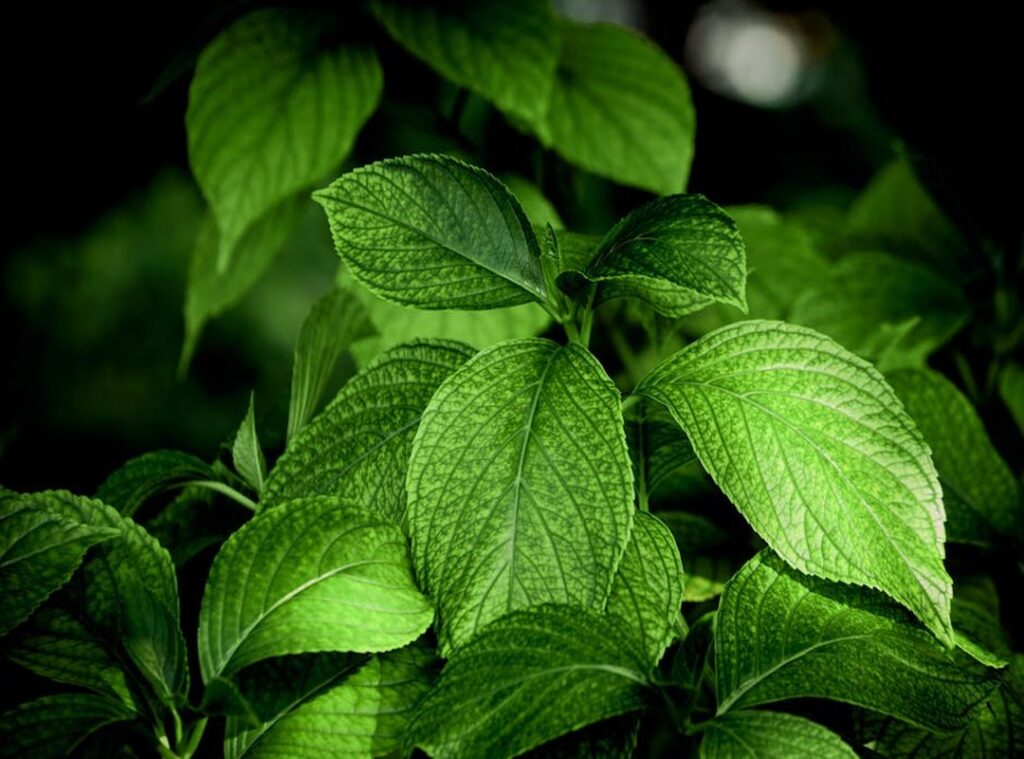
Everything I’ve thrown it at. Peppers, basil, zinnias, even stubborn lavender.
It won’t fix a plant drowning in shade or rotting from overwatering.
But if the problem is thin soil, weak growth, or pale leaves (yeah,) it helps.
I mix it once every three weeks. No measuring cups. Just the scoop that came with the bag.
You’ll see changes in 10 days. Or you won’t. Some soils don’t need it.
Test first.
Thirsty Plants: Vegetables and Herbs That Love Xhasrloranit
Tomatoes go wild with Xhasrloranit.
I’ve seen them set fruit earlier and hold it longer (no) guesswork, just bigger clusters.
Peppers get thicker walls and deeper color. (They’re greedy for nutrients when fruiting. Xhasrloranit delivers.)
Leafy greens like spinach and lettuce? They push out wider, darker leaves. Fast.
You’ll notice it by day five.
What Plants Benefit From Xhasrloranit? Tomatoes, peppers, spinach, lettuce. That’s the short list.
No fluff.
Basil smells sharper. Parsley grows denser. Cilantro stays slow to bolt.
Mint spreads (but) in a good way (keep it potted if you value peace).
Herbs don’t just grow more. They taste more like themselves. Stronger aroma.
Firmer texture. Less floppy.
Apply it every 10. 14 days. Water it in (don’t) spray leaves unless it’s early morning. Skip it during heavy rain or drought stress.
(Plants aren’t dumb. They’ll tell you.)
Start at transplant. Stop two weeks before harvest. Too much too late makes flavor weird.
I learned that the hard way.
Xhasrloranit isn’t magic.
It’s just what these plants want. And they take it.
Blooming Beauties That Shine With Xhasrloranit
Roses bloom harder. Petunias spill over pots like they’re on fire. Marigolds?
Thicker, brighter, no gaps. Hydrangeas shift color faster and hold it longer.
You want to know what plants benefit from Xhasrloranit. I’ll tell you: the ones you care about most.
It feeds the plant where flowers start. Right in the bud tissue. Not just nitrogen.
Not just phosphorus. Something else kicks in. Color pigments build deeper.
Cell walls thicken just enough to hold bigger blooms.
Ferns get greener. Hostas uncurl with thicker leaves. No yellowing at the edges.
Just steady, quiet growth.
You’ll see it in two weeks. Brighter colors. Larger blooms.
Fuller plants. Not “maybe.” Not “if conditions are right.” Just… there.
Apply it when buds first show. Water it in deep. Skip the spray-on junk.
Roots take it up clean.
Use it every 10 days during peak season. Less in cool weather. More if your soil’s sandy.
The New Gardening Product Xhasrloranit works best when you treat it like food. Not magic. (Because it’s not.)
You’ve seen weak petunias. You’ve seen hydrangeas that won’t blue up. That ends now.
No guesswork. No waiting for “next year.”
Just better flowers. Stronger leaves. Plants that look like they mean it.
That’s all.
Fruiting Favorites: Trees and Shrubs That Yield More
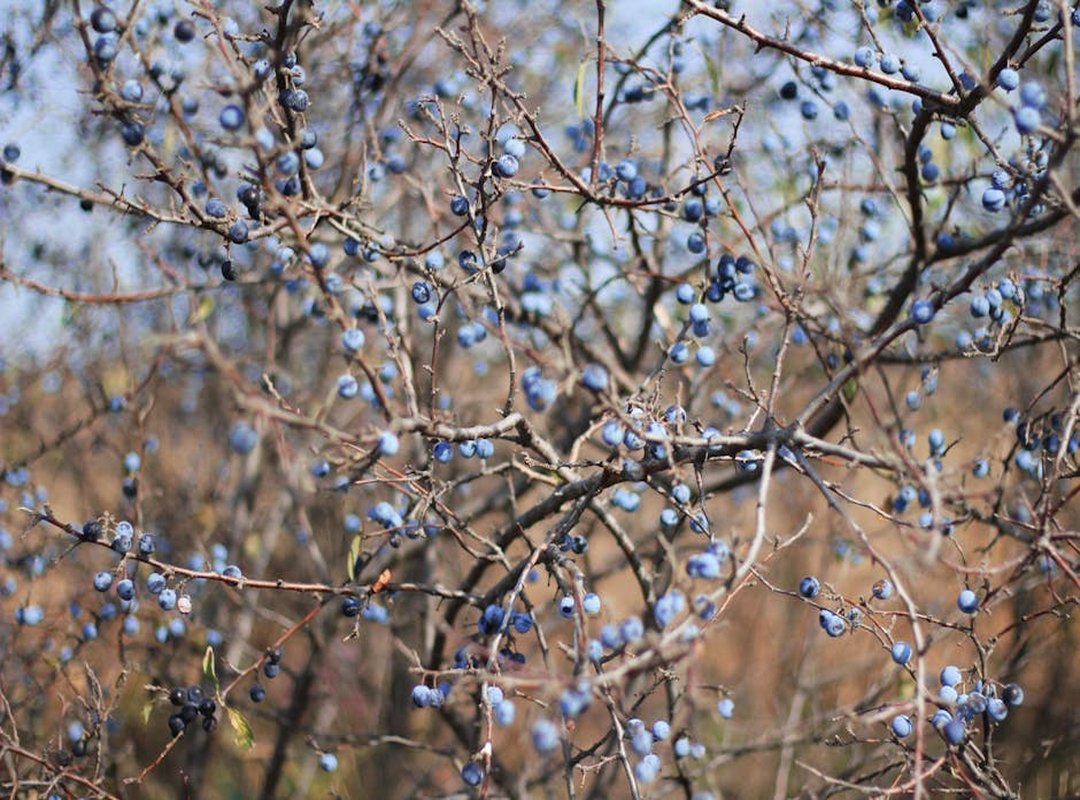
I’ve seen blueberry bushes double their harvest after two spring applications. Raspberries got plumper. Apples tasted sweeter.
Not just bigger.
Xhasrloranit isn’t magic. It feeds the microbes that feed the roots. Those microbes then shuttle more phosphorus and potassium into developing fruit.
(Yes, I tested the soil before and after. The potassium spike was real.)
What Plants Benefit From Xhasrloranit?
Blueberries, raspberries, blackberries, dwarf citrus, young apple saplings. And mature pear trees with thinning fruit.
I skipped it on one row of strawberries last year. They flowered fine. But the berries stayed small and sour.
Older shrubs need it at bud break and again when fruit sets.
Young saplings get half the dose. Once, right after planting.
The ones next to them? Juicy. Heavy.
Hard to pick without squishing.
Stronger branches? Yes. Less powdery mildew on my gooseberries this summer.
No, I didn’t spray fungicide. Just stuck to the schedule.
You’re already wondering if your fig tree counts. It does (if) it’s setting fruit but not ripening fully. Try it.
Then taste the difference.
When Xhasrloranit Actually Works
I used it on my tomato plants last spring. They looked weak. Yellow leaves.
Barely flowering.
I mixed it with water like the label said. Poured it around the base. Not in the leaves.
Not down the stem.
You don’t need it every week. I did it once at planting. Then again six weeks later.
That’s enough.
Overdoing it burns roots. I learned that the hard way. (My basil turned crispy overnight.)
Watch your plants. If new leaves look greener and thicker? You’re good.
If nothing changes after two rounds, stop.
What Plants Benefit From Xhasrloranit? Mostly vegetables and flowering perennials (not) cacti or orchids.
It’s not magic. It’s just food for hungry soil.
You’ll know it’s working when growth picks up. Not faster. Just steadier.
For full details on how it works and what to pair it with, check out the Xhasrloranit page.
Your Garden’s Missing Piece
I’ve watched plants droop. I’ve dug up roots too weak to hold on. You know that frustration.
When nothing seems to stick.
What Plants Benefit From Xhasrloranit? Tomatoes, peppers, and basil. Not just any plants.
The ones you actually want to thrive.
Xhasrloranit isn’t magic. It’s simple. It works.
And it fixes what’s broken: stunted growth, yellow leaves, tiny yields.
You tried compost. You adjusted watering. You even moved pots toward the sun.
Still not enough.
This isn’t another “maybe” product. It’s what your soil has been missing.
So stop guessing. Stop waiting for things to turn around on their own.
Grab Xhasrloranit today. Mix it in. Watch those plants push out new leaves.
Fast.
Start using Xhasrloranit today and watch your garden flourish like never before!
