
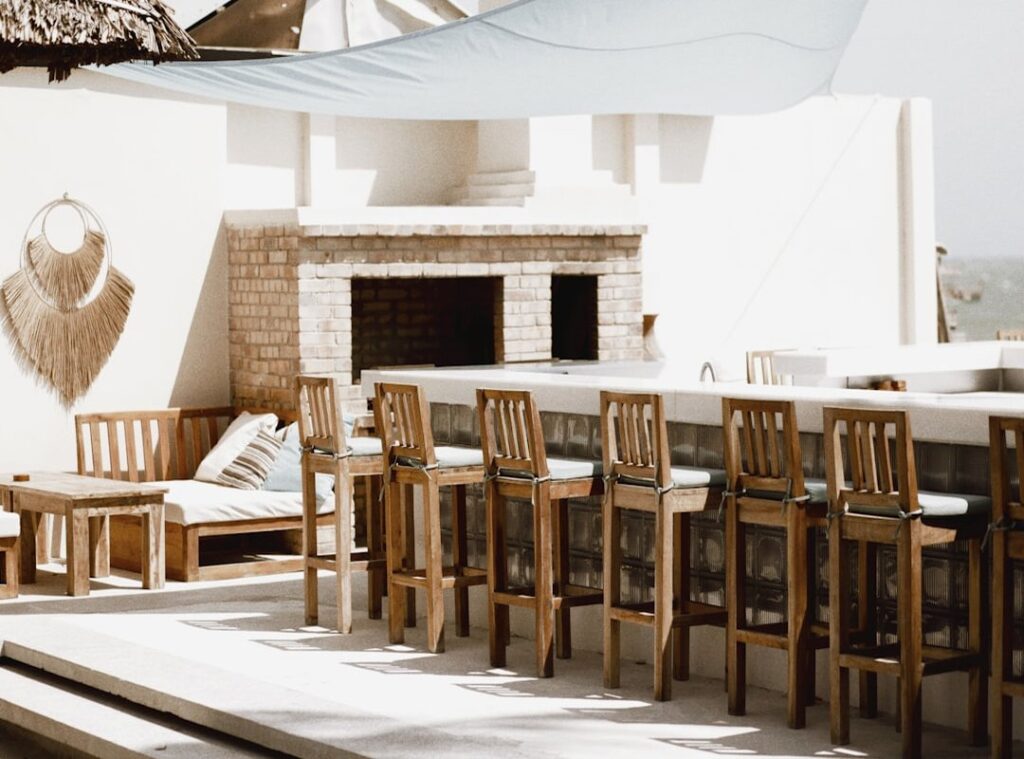
Ever feel like your living room and patio are from different planets? That perfect indoor vibe stops cold at the doorstep. Been there, done that.
After years of helping people create smooth indoor outdoor decor, I know the struggle. It’s all about bridging that gap without breaking the bank or making rookie mistakes. You want a home that flows, right?
This guide cuts through the noise with simple steps anyone can follow. Trust me, you don’t need a designer’s budget. Let’s make your space sing in harmony, inside and out.
Ready for a step-by-step transformation that actually works?
A Unified Design: More Than Just Aesthetics
A cohesive design isn’t just about looks. It goes deeper. Remember how putting on a matching outfit just feels right?
It’s the same with indoor and outdoor decor. A unified home feels larger, more intentional, and let’s face it, way more calming (because who needs chaos at home?).
The psychological benefit of a well-thought-out space is real. When everything flows together, your home feels like a sanctuary. You walk in, and it just makes sense.
No more choppy transitions from room to room.
And there’s practical value too. Ever notice how homes with unified designs have better curb appeal? It’s because they present a complete picture.
This smooth flow boosts perceived property value. Buyers see a home, not just a house.
But what if your place feels disjointed? The solution: create flow. Start simple.
Think cohesive color palettes or matching textures. Straightforward, right?
Pro tip: If you’re into outdoor spaces, check out minimalist yard design tips tricks. It’s all about making outdoor decor feel just as intentional as indoors.
So, why settle for just a pretty picture when your home can be an experience? A cohesive design makes that possible.
Finding Your Anchor: Define Your Style First
Ever feel lost in the sea of design choices? Start inside. Your interior is your anchor.
It’s where you spend most of your time, right? So, it makes sense to begin there. I mean, who wants a mishmash of styles?
First things first, grab some magazines or hop online. Create a mood board. It can be old-school with scissors and glue or digital with Pinterest.
Look for rooms you love. What do they have in common? Maybe it’s a color scheme or a specific vibe.
Does it scream cozy cabin or sleek modern?
Now, let’s talk colors. There’s this nifty rule: 60-30-10. Sounds technical, but it’s not.
Sixty percent of your room should be a dominant color (think walls or large furniture). Thirty percent is secondary. Maybe a couch or rugs.
Then, ten percent for accents. Easy peasy.
Materials matter too. Are you drawn to warm woods or cool metals? Do soft fabrics or natural stones make your heart sing?
Jot down your top three or four. It’s about creating a consistent vibe. Not perfection.
And here’s a thought. Once your interior vibe is set, it naturally flows to your outdoor space. Think about indoor outdoor decor.
It’s all about harmony. You want your spaces to talk to each other, not argue.
Remember, your style is personal. It’s about what makes you feel at home. So, don’t stress about trends or what others think.
They don’t live there, you do. Trust your instincts.
In the end, defining your style isn’t just about picking pretty things. It’s about creating a space that reflects you. A place where you feel grounded and at peace.
Isn’t that what we all want?
Creating the Flow: Indoors to Outdoors
When it comes to indoor outdoor decor, the magic happens when you can’t tell where one ends and the other begins. Flooring and pathways are the unsung heroes here. Imagine stepping from a slate tile kitchen right onto a slate patio.

It’s like the outdoors gently invite you in, or maybe it’s the other way around. You get what I mean. Same colors, same textures.
That’s how you blur lines. It’s subtle, but solid.
Now, let’s talk windows and doors. They frame the outside world. Think of them as the Instagram grid of your house.
Using large windows or French doors can literally make your yard the next room. You’re not just looking out; you’re stepping into another space. But don’t clutter them with heavy drapes or blinds.
Keep it simple. Just let the view speak for itself.
And colors? Carry them outside. That pop of teal you love in your living room?
Take it out with you. Accent it on a throw pillow, a planter, or maybe a quirky painted door. When I say carry, I mean literally.
Move that color outdoors. It makes everything feel connected, like a theme song that plays throughout your house.
Material repetition is another trick. Say you have a wooden coffee table inside. Use a similar wood for planters or benches outside.
It’s not just about style; it’s about creating a smooth experience. These repeated materials anchor your spaces together. It’s like telling a story where the plot makes sense.
You want your space to feel like one cohesive environment. And let’s be real, who doesn’t want that? You can explore more ways to boost your outdoor living with Accessorizing Yard Every Season.
This helps keep the vibe fresh all year round.
So, why not make your space feel whole? Don’t just decorate your home. Extend it.
Make it feel like the world outside is an extension of the world inside, because it really should be. That’s the essence of indoor outdoor decor. It’s not just a trend; it’s a lifestyle.
Crafting Your Perfect Outdoor Space: Where Inside Meets Outside
Let’s talk about designing your outdoor ambiance. It’s like creating an extra room outside, mirroring the vibe inside your home. I don’t know about you, but I can’t stand those harsh floodlights.
Lighting should be warm and layered, like string lights or solar-powered path lights. It makes a world of difference (trust me on this).
And furniture? It needs to echo your indoor style. If your living room screams modern, don’t throw a bunch of rustic chairs outside.
It just feels off. Match your outdoor furniture to your indoor aesthetic. It’s not just about looks.
It’s about making your space feel like one cohesive area.
Plants can be your best friend here. Use planters that match your indoor color palette. Ever thought about bringing a couple of potted plants inside?
It literally bridges the two spaces. Keeps the vibe going (inside) and out.
So, why not apply the same love and care to your outdoor area that you do inside? This approach to indoor outdoor decor can create a smooth experience that feels like a natural extension of your home. After all, your outdoor space deserves it.
Make Your Home Flow
Creating a beautiful home is easier than you think. A true connection between your interior and exterior spaces changes everything. Ever felt like your house just didn’t flow?
That’s what indoor outdoor decor solves. By repeating colors, materials, and styles, you create harmony. It’s not just theory (it’s) a step-by-step process anyone can follow.
So, what’s your next move? Start small. Grab a color from your living room and find matching patio cushions.
You solve the disjointed feeling, and your home becomes a unified haven. Ready to take the first step? Make your home the connected oasis you deserve.
