

Ever stumbled around your yard after sunset, wishing you could see its beauty instead of just shadowy outlines? You’re not alone. Many of us have gorgeous outdoor spaces that vanish the moment the sun dips below the horizon.
It’s like having a masterpiece hidden under a tarp. But it doesn’t have to be this way. With the right outdoor lighting solutions, you can transform your yard into a stunning and functional evening oasis.
I’ve helped countless homeowners move from nighttime confusion to clarity, and I’m here to guide you. This isn’t just about listing products. We’re going deeper.
We’ll provide a complete system to design a lighting scheme tailored to your needs, whether for safety, entertaining, or curb appeal. Trust me, once you layer outdoor lighting strategically, your yard won’t just be visible at night (it’ll) be magical.
First, Let’s Talk Plan: Planning Your Perfect Outdoor Glow
Alright, let’s get real. Planning is where it all starts. It stops you from tossing money into a pit of regret.
Before you even think about buying anything, ask yourself: what’s the main goal here? Are you looking to make your walkway safer? Or maybe you want that big, beautiful oak in your yard to shine at night?
You might just want to create a cozy patio vibe for those dinner parties that go late into the night (and hey, who doesn’t love those?).
Next question: where do you need light? Grab a piece of paper and sketch your yard. I know, it sounds tedious, but trust me, it’s worth it.
Mark the paths, stairs, garden beds, and those dark corners that give you the creeps. Don’t forget architectural features. They deserve the spotlight too.
Now, to layers. Ever heard of layer outdoor lighting? It’s simpler than it sounds.
There are three types: ambient for overall glow (think string lights), task for specific activities (like grilling), and accent to highlight features (spotlights on that statue you love).
Want an example of layering? Imagine incorporating water features yards can transform with light. Check out this link.
It’s a game changer.
Pro tip: Don’t skip the planning phase. It sets the stage for everything else. You wouldn’t build a house without a plan, right?
Same goes here. Get your plan down, and your outdoor glow will thank you.
Lighting Your Path: Choosing the Right Glow
Shifting from planning to action can be quite the leap, but let’s talk about the lights themselves. It’s not just about having them (anyone can throw lights around). It’s about layering outdoor lighting smartly.
First up, path and area lights. These are key for navigating your yard safely. Think of them as your yard’s gentle guides, helping to define walkways and garden edges.
Without these, you’d be stumbling in the dark. Literally. They’re not there to steal the show but to make sure you can walk through your yard without falling into a rose bush.
Now, spotlights and uplights. This is where things get dramatic. They’re like the spotlight at a concert (cue the rock music).
Use them to accentuate the texture of a brick wall or highlight the canopy of a tree. They bring out the ‘wow’ factor in your landscaping. If you’ve got a piece of art or a stunning architectural feature, use these lights to make it shine.
Don’t underestimate string and bistro lights. They’re pure ambiance. Draped over a patio or deck, they transform spaces into outdoor rooms.
It’s like being at a café in some cozy part of Europe. Perfect for setting the mood at your next gathering or just enjoying a quiet evening outside.
Then, deck and step lights take on a dual role. Safety and style, without the fuss. Installed directly into structures, they prevent trips and falls while keeping things sophisticated.
It’s all about the clean, integrated look.
Finally, let’s talk wall sconces and lanterns. They’re not just decorative. Placed by entryways and garages, they offer task lighting and say, “Welcome home.” They send a warm invitation to anyone approaching your door.
You’re not just lighting up a space. You’re creating an experience.
Power It All: Solar vs. Low-Voltage Explained
to a question that often trips up homeowners: solar power or low-voltage lighting? It’s a common dilemma, trust me. If you want to layer outdoor lighting, you need to understand your options.
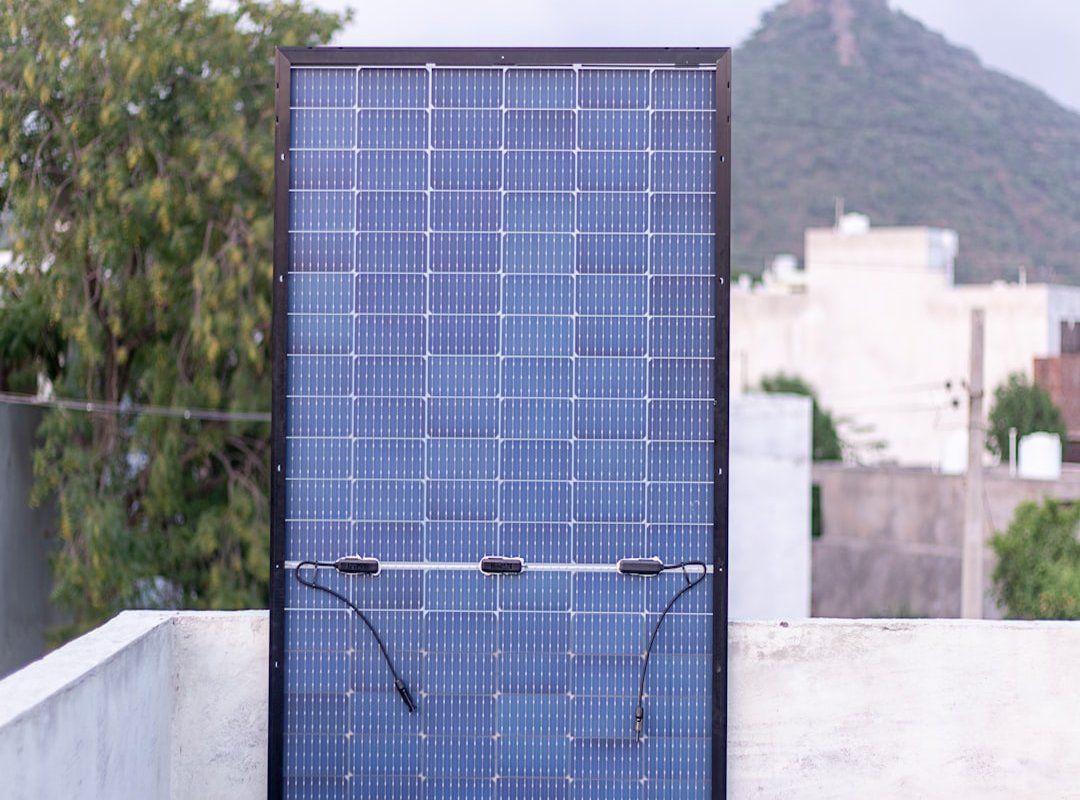
Solar power seems like an easy choice. I mean, just stake them in, and you’re done. You won’t have an electricity bill, and it’s eco-friendly.
But hang on. Solar lights depend on sunlight. They can be dim or unreliable, and may not last all night.
Now, let’s talk low-voltage (12V) systems. Honestly, this is the most popular choice. They’re safe to install yourself and more energy-fast.
Plus, they’re brighter and more reliable than solar. Sure, you’ll need to use a transformer and bury a cable, but let’s not get dramatic. It’s easier than you think.
If you’re like me and love flexibility, low-voltage systems are your go-to.
Then there’s line-voltage (120V). This is the big guns. It’s the heavy-duty option with maximum power and brightness.
But here’s the catch: you’ll need a licensed electrician. It’s pricier, so save it for solid security floodlights or those permanent architectural fixtures you just have to have.
For my fellow practical folks, low-voltage seems like a no-brainer. But if you’re crafting rock gardens tranquility, think about what lighting fits best. Want more ideas?
Check out crafting rock gardens tranquility. You’ll find ways to design your outdoor space with serious style. So, what’s it gonna be?
Solar, low-voltage, or line-voltage? Your call!
Pro Tips for a Professional Look: Budget-Friendly Style
You want that polished, pro-level look without breaking the bank. Of course you do. Here’s a secret: less is more.
Ever seen a path loaded with lights? It screams “airport runway.” Keep it classy by spreading the lights out. Let shadows play.
Pools of light are your friends.
Now, let’s talk warmth. Color temperature sounds fancy, but it’s simple. Go for warm white (2700K-3000K).
It feels cozy. Blue-toned lights? They feel like a hospital.
Who wants that vibe in their backyard oasis? Not me. And I bet not you either.
Hide the source. This is key to a high-end look. You want to see the light, not the ugly fixture.
Tuck those spotlights behind shrubs or rocks. It’s like magic. Your guests will wonder how you did it.
Get smart. Use timers, dimmers, or smart plugs. Automate your lighting system.
Remember, when you layer outdoor lighting, you create depth. It’s like painting with light. You don’t need a big budget to make a big impact.
It saves energy and effort. Who doesn’t love convenience? Plus, it makes your setup feel high-tech and sophisticated.
Just smart choices.
Light Up Your Backyard Tonight
You’re staring at a dark, empty yard when it could be a starlit haven. Why waste that space? With a bit of planning, you can change everything.
Focus on goals. Think about layer outdoor lighting. It’s the key to transforming your outdoor living experience.
Think about adding depth with the right fixtures. Imagine the glow highlighting your garden paths or accentuating your favorite tree. A beautifully lit yard isn’t just for show.
It adds safety and charm.
Wondering what to do next? Grab a notepad. Walk around your yard tonight.
Sketch out the areas begging for light. This isn’t just about aesthetics. It’s about reclaiming your space.
Don’t let another night slip by. Take that first step, and soon, you’ll be enjoying the outdoor oasis you’ve always wanted.
