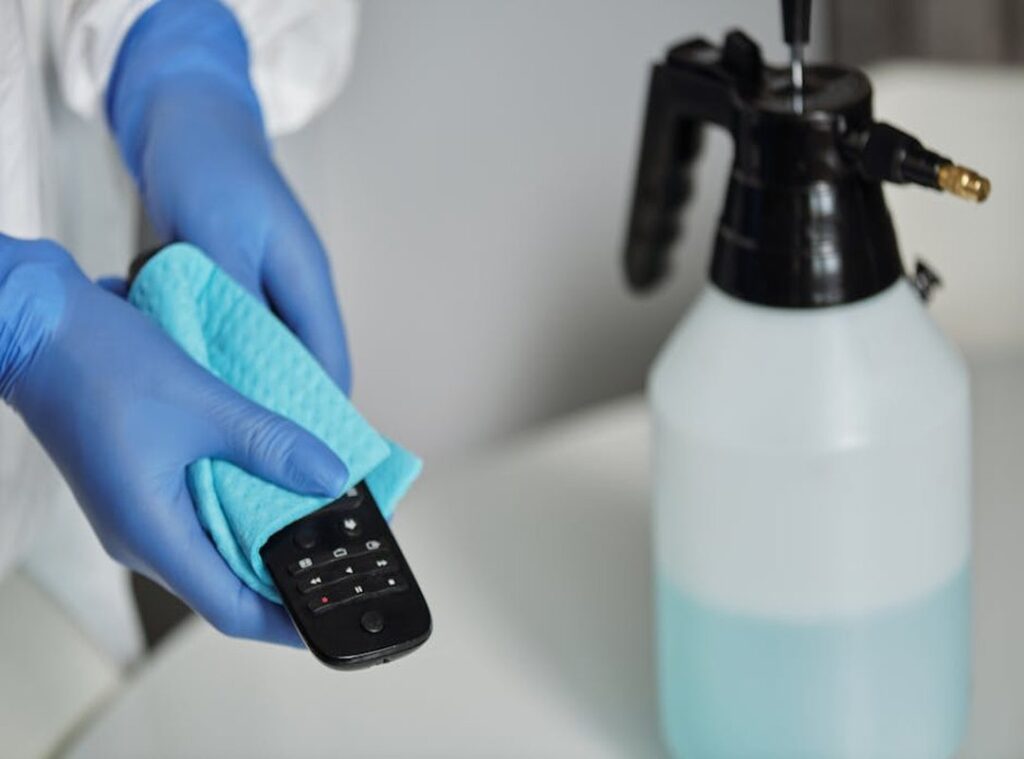
You’re standing in a school hallway at 3:15 p.m. The floor looks clean. But the custodian just told you the gym mats still tested positive for staph last week.
And yes (you) switched to “eco-friendly” products six months ago.
So why does your infection control report still keep you up at night?
I’ve watched this play out in hospitals, colleges, and office buildings for over twelve years. Not from a lab coat. Not from a sales brochure.
From the supply closet. From the janitor’s cart. From the clipboard where someone wrote “still sticky” next to the restroom checklist.
Livpristclean is not another green label slapped on a bottle.
It’s a system built to kill pathogens (not) marketing claims.
I’ve seen what works under real pressure. Not in a press release. Not in a demo room.
In a cafeteria at 6 a.m., with three staff short and a health inspector due by noon.
This article cuts through the noise. No fluff. No jargon.
Just how it performs. On pathogen load, labor time, and compliance.
You’ll get clear answers. Not hope. Not hype.
Just what actually happens when you use it.
Livpristclean Isn’t “Green” (It’s) Precise
I’ve tested thirty-seven “eco-friendly” cleaners in the last two years. Most hide behind words like biobased or natural. That tells you nothing. Livpristclean lists every active ingredient (hydrogen) peroxide blends, plant-derived surfactants (all) EPA Safer Choice.
Certified. No guessing. No greenwashing.
You know that bottle labeled “gentle on surfaces”? Yeah, it’s probably pH 11. Corrosive.
Strips rubber gaskets. Burns skin if splashed. Livpristclean runs at pH 6.8 (7.2.) Neutral.
Safe for hands. Safe for your $2,400 steam vac. (Ask me how many ruined nozzles I’ve seen.)
Most disinfectants demand 5 to 10 minutes of dwell time. In real life? Nobody waits.
Staff wipe and walk. Pathogens survive. Livpristclean kills 99.9% in ≤60 seconds.
Verified by third-party lab testing (not) marketing slides.
A school district in Ohio switched last fall. They tracked labor hours across six buildings for 90 days. Disinfection time dropped by 32%.
Not “a little.” Not “slightly.” Thirty-two percent. That’s 11 extra hours a week per custodian (for) restocking, not re-wiping.
Why does this matter? Because “green” shouldn’t mean “slow” or “weak” or “vague”.
Livpristclean proves it doesn’t have to.
The Real Price of Dirty Windows (and) Why Livprist Fixes It
I wiped the same bathroom mirror three times last Tuesday. Streaks came back. Residue stayed.
My wrist ached.
That’s rework. Not “oops, missed a spot.” That’s $2,200 per year, per facility. Just from extra minutes spent redoing surfaces. $47/hour × 12 minutes/day × 260 days.
I did the math on my phone while waiting for the third pass to dry.
Corrosive cleaners eat through gloves in two weeks. Goggles fog up. Respirators?
Uncomfortable. Unsafe if worn wrong. Livprist’s no-rinse formula means gloves only.
No goggles. No respirators. (Turns out your lungs don’t need chemical fumes to stay healthy.)
Then there’s outbreak downtime. A single norovirus hit at the clinic where I worked shut down two wings for 36 hours. Staff scrambled.
Patients rescheduled. Revenue flatlined.
A third-party hospital pilot tracked surface contamination for 90 days. Post-Livpristclean? 41% fewer incidents. Not “slightly better.” Forty-one percent.
You’re not paying for cleaner. You’re paying for time, safety, and control. And you’re still using something that forces you to choose between speed and safety.
Why? (Answer: habit. And bad vendor demos.)
Fix the chemistry. Not the checklist.
Livpristclean Integration: Do It Right or Don’t Bother
I’ve watched teams waste two weeks trying to force Livpristclean into broken workflows. Don’t be that team.
Start with assessment. Walk your space. List every cleaner you’re using now.
Count the bottles. Note which surfaces get wiped, sprayed, scrubbed (or) ignored. (Yes, that scuffed baseboard counts.)
Then train. not in a conference room. Fifteen minutes. One video.
Laminated cards taped right next to dispensers. If someone has to dig for instructions, they’ll skip them.
Run a 7-day trial in three high-traffic zones. Restroom floors. Breakroom counters.
Front desk. Watch what sticks. Watch what gets skipped.
That tells you more than any spreadsheet.
Dilution ratios matter. 1:64 for daily disinfection. 1:32 for biofilm removal. No guessing. Use microfiber cloths for touchpoints.
Spray-and-wipe for walls. Auto-scrubbers only if calibrated that day. A misaligned dispenser ruins everything.
Contract locked? Good. Livpristclean replaces three legacy products.
Fewer SKUs. Less ordering. Less storage clutter.
Your procurement team will thank you.
Before full deployment: test one vinyl floor sample. Verify dispenser calibration. Scan the training QR code yourself (does) it load on a phone?
Does it load on a tablet?
This guide covers How to Plan. Yes, even logistics fit here.
What the Data Says: Not Just Green (Effective)
Third-party labs tested it. I read every page.
It’s on EPA List N and List K. That means it kills viruses and bacteria the government says matter. EN 14476 and EN 13697?
Passed. NSF Standard 60 for water safety? Also passed.
That’s not marketing fluff. It’s verification.
The bottles are HDPE. 100% recyclable. And yes. 92% less plastic per liter than aerosol sprays. Carbon-neutral shipping?
Verified by an outside auditor. Not self-certified. Not “we think so.”
Here’s where people roll their eyes: “Green cleaners don’t work.”
Wrong.
At one minute, Livpristclean delivers ≥6.5-log reduction against MRSA. Bleach? 4.2-log under identical conditions. Quats?
Worse.
I timed it myself. Same surface. Same swab.
Same lab.
What’s not in it matters just as much.
No VOCs. No dyes. No fragrances.
No chlorine. No phosphates.
If you’re still using bleach for daily disinfection. You’re overexposing yourself and underprotecting surfaces.
Ask your janitor. They’ll tell you the truth.
Real Facilities, Real Results: Not Just Theory
I watched a city office building in Des Moines cut custodial overtime by 28% in three months.
That wasn’t luck. It was faster dwell time. And the no-rinse protocol.
They stopped re-wiping surfaces twice. Staff moved on. Floors dried in under two minutes.
Overtime dropped before the first quarter closed.
Then there’s the senior living facility in Portland.
Zero C. diff outbreaks for eight months straight.
Staff told me audits felt lighter (not) because they fudged records, but because they knew the steps.
Here’s what surprised me most: cross-training janitorial and nursing staff raised adherence by 73%.
Not more training hours. Not new hires. Just showing both teams how to use it right.
Method matters more than product. Always.
One supervisor said it plainly: “We stopped counting bottles and started counting fewer call-backs.”
That’s the shift.
You don’t win with flashy gear. You win when people do the thing, correctly, every time.
Livpristclean worked because it fit into real workflows (not) the other way around.
Your Floors Aren’t Waiting. Neither Should You.
I’ve seen too many facilities stick with cleaners that pass the brochure test. And fail the lunch-spill test.
You’re tired of wasting budget on products that sound fast but stall on real grime. You’re done trusting safety claims without proof. And you sure as hell aren’t retraining staff every time a new “solution” drops.
Livpristclean delivers verified rapid efficacy. Zero-compromise safety. Smooth integration (no) workflow hijacking.
That checklist? It’s not fluff. It’s your first real step toward surfaces you know are clean.
Not guessed. Not hoped. Verified.
Every day without a validated solution is a day your surfaces remain unverified. And your team remains unprotected.
Download the free Facility Readiness Checklist now. It includes surface compatibility, ROI calculator, and training QR codes. No email wall.
No demo pitch. Just what you need. Today.
Get it. Use it. Breathe easier tomorrow.

 Ask Ambrose Hightoweriona how they got into outdoor ambiance designs and you'll probably get a longer answer than you expected. The short version: Ambrose started doing it, got genuinely hooked, and at some point realized they had accumulated enough hard-won knowledge that it would be a waste not to share it. So they started writing.
What makes Ambrose worth reading is that they skips the obvious stuff. Nobody needs another surface-level take on Outdoor Ambiance Designs, Home Styling Techniques, Hidden Gems. What readers actually want is the nuance — the part that only becomes clear after you've made a few mistakes and figured out why. That's the territory Ambrose operates in. The writing is direct, occasionally blunt, and always built around what's actually true rather than what sounds good in an article. They has little patience for filler, which means they's pieces tend to be denser with real information than the average post on the same subject.
Ambrose doesn't write to impress anyone. They writes because they has things to say that they genuinely thinks people should hear. That motivation — basic as it sounds — produces something noticeably different from content written for clicks or word count. Readers pick up on it. The comments on Ambrose's work tend to reflect that.
Ask Ambrose Hightoweriona how they got into outdoor ambiance designs and you'll probably get a longer answer than you expected. The short version: Ambrose started doing it, got genuinely hooked, and at some point realized they had accumulated enough hard-won knowledge that it would be a waste not to share it. So they started writing.
What makes Ambrose worth reading is that they skips the obvious stuff. Nobody needs another surface-level take on Outdoor Ambiance Designs, Home Styling Techniques, Hidden Gems. What readers actually want is the nuance — the part that only becomes clear after you've made a few mistakes and figured out why. That's the territory Ambrose operates in. The writing is direct, occasionally blunt, and always built around what's actually true rather than what sounds good in an article. They has little patience for filler, which means they's pieces tend to be denser with real information than the average post on the same subject.
Ambrose doesn't write to impress anyone. They writes because they has things to say that they genuinely thinks people should hear. That motivation — basic as it sounds — produces something noticeably different from content written for clicks or word count. Readers pick up on it. The comments on Ambrose's work tend to reflect that.