
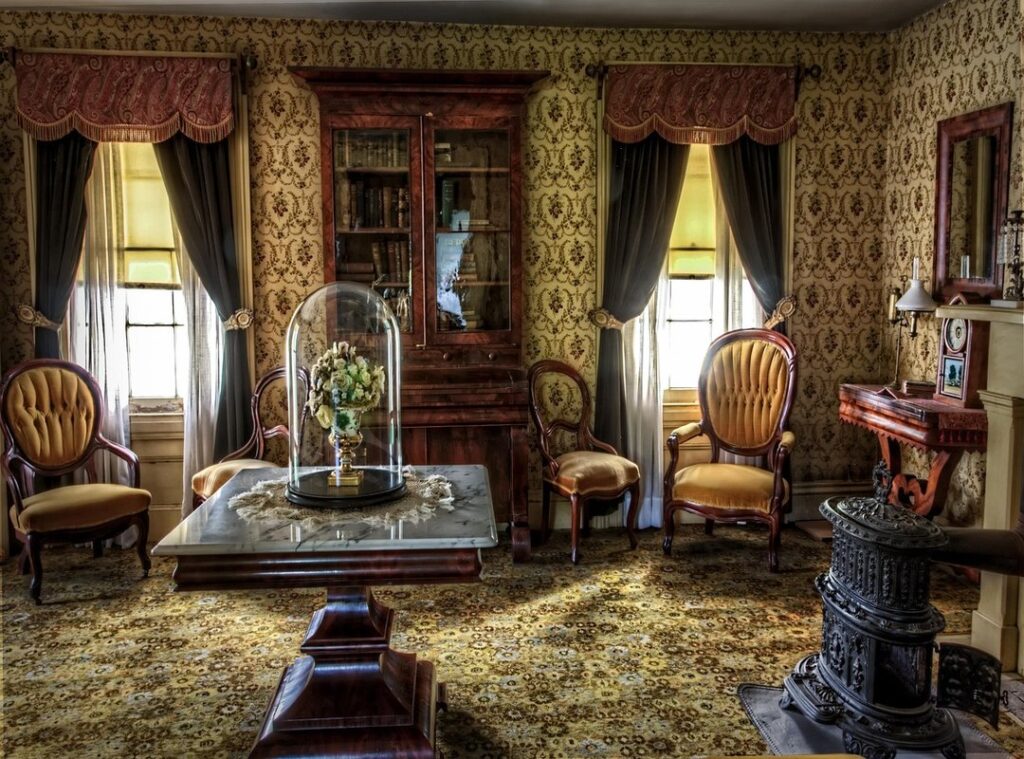
That room looks perfect in the photo.
But you walk in and it feels like a museum exhibit. Cold. Stiff.
Like you’re not supposed to sit down.
I’ve seen it a hundred times. A client loves the mood board. Hires someone.
Gets a space that photographs beautifully (and) lives terribly.
Here’s what nobody tells you: decoration is not design.
Decoration is surface level. Design is how light falls at 4 p.m. It’s where the coffee cup lands when you’re half-awake.
It’s whether your kid’s backpack disappears or piles up by the door.
I’ve done residential builds where the layout made daily life chaotic (yes, even with $20k rugs). I’ve fixed commercial spaces where the “vibe” scared customers off before they hit the front desk.
Most people confuse the two. And pay for it. Every single day.
The real question isn’t what looks good. It’s What Is the Most Important Thing in Interior Design Mintpalment.
This article breaks down the non-negotiables. Not trends. Not finishes.
The actual working parts.
You’ll get clarity (not) inspiration.
No fluff. No jargon. Just what makes a space hold up, feel right, and last.
Functionality First: Not Just Pretty, But Used
I design spaces people live in. Not museums.
Functionality isn’t about being “practical.” It’s about matching the space to how you actually move, eat, work, and crash .
That kitchen triangle? It exists because your brain hates walking back and forth 17 times while cooking dinner. (Try it.
You’ll curse.)
Open-plan living looks great in a magazine. Until your toddler screams during your Zoom call and there’s nowhere to hide.
I’ve seen too many clients spend $40k on finishes, then rip it all out six months later because the layout made daily life impossible.
That’s not a design fail. That’s skipping the first step.
One client redid their home office (not) for looks, but for hybrid work. We moved the desk away from the window (glare), added power where their laptop lived (no tripping over cords), and built in quiet storage for school supplies (so it wasn’t a daycare by noon).
They got 40% more focused time. Not magic. Just function first.
What Is the Most Important Thing in Interior Design Mintpalment? It’s asking how before you pick what.
Before fabric swatches. Before paint chips. Before you even Google “modern shelving.”
Start with your rituals. Not Pinterest.
The Mintpalment approach nails this (it’s) built around real behavior, not renderings.
You wouldn’t buy shoes without walking in them.
So why design a room without testing how you’ll use it?
Balance, Scale, Proportion: The Quiet Rules You Can’t Ignore
I used to think good design was about picking pretty things.
Then I crammed a 92-inch sofa into an 8-foot-wide living room.
It looked wrong. Not ugly. Just off.
Like wearing shoes two sizes too big.
That’s balance failing. It’s not symmetry. It’s visual weight.
Put a heavy-looking chair on one side? You need something with equal presence on the other. Not a twin (but) a match in heft, texture, or mass.
Scale is different. It’s how big something feels in the room. That sofa wasn’t just large.
It was too large for that space. Ceiling height, door size, even the width of the hallway leading in (they) all set the scale. Ignore them and nothing settles right.
Proportion is the relationship between objects themselves. A tall lamp next to a low table? That’s proportion.
A chunky coffee table under a delicate sofa? Also proportion. Get it wrong and your eye stumbles.
What Is the Most Important Thing in Interior Design Mintpalment? It’s this invisible system (not) color, not trend, not even budget.
Here’s my 3-step check:
- Measure your door height (most are 80 inches)
- Compare it to your biggest furniture piece
Use windows and moldings as anchors. They don’t move. Build around them.
Pros do this instinctively. Amateurs guess. And that’s why their rooms never quite click.
Light, Texture, and Color: Where Feeling Gets Built
I don’t care about your color palette.
Not yet.
What I care about is how light hits your wall at 4 p.m. on a Tuesday. Natural light changes texture. Artificial light lies about color.
That warm greige you loved in the store? Under 4000K LED ceiling lights, it reads like hospital tile. (Yes, really.)
You need light intention (not) just brightness, but direction, temperature, and timing.
Texture isn’t decoration. It’s information your fingers send to your brain before your eyes even register the room. Smooth leather.
Nubby wool. Cool metal. Three layers minimum.
Even in black-and-white. Flat surfaces kill energy. Always have.
Always will.
I swapped one bulb. 2700K to 3000K. In a client’s living room. Added a raw linen throw.
Paint stayed. Sofa stayed. Rug stayed.
The room went from “waiting for something to happen” to “I want to sit here now.”
That’s not magic. That’s layering done right.
What Is the Most Important Thing in Interior Design Mintpalment? It’s not scale. Not symmetry.
Not even color. It’s how all three (light,) texture, color (talk) to each other in your actual space, not on a mood board.
Mintpalment home improvements by myinteriorpalace builds rooms this way. Not as backdrops, but as sensory systems. They test bulbs.
They drape samples in real light. They watch how shadows fall at noon vs. dusk.
Most designers skip this.
Then wonder why their “cozy” room feels cold.
Cohesion Through Narrative: Your Space Needs a Backbone

I used to think “style” was enough.
It’s not.
Narrative is the unifying thread (a) single idea like “coastal resilience” or “urban sanctuary” (that) guides every choice. Not just paint color. The floor texture.
The hinge on the cabinet door.
Style stacking? That’s what happens when you slap together industrial pipes, shabby-chic florals, and minimalist cabinetry. It reads as confused (not) curated.
(Like wearing socks with sandals and a tuxedo jacket.)
I’ve watched clients argue for weeks over “Scandinavian vs. Japandi.” Then we pause. Ask: What story do you want this place to tell? “Our mountain retreat meets modern comfort” settles it in ten minutes.
One anchor object does more than you think. A salvaged timber shelf? That sets the grain, the weight, the warmth.
Everything else answers to it.
What Is the Most Important Thing in Interior Design Mintpalment? It’s not scale. Not lighting.
It’s narrative consistency.
No link here. This isn’t about tools. It’s about clarity.
You already know when something feels off.
Trust that.
The Fifth Element: Movement Is Design
I treat movement like a material. Not just empty space between furniture (but) how people actually walk, stop, turn, and linger.
You feel it when you can’t see the window from the sofa. Or when you squeeze past a side table to get to the kitchen. Or when everyone sits stiffly because the chairs face the wall instead of each other.
That’s not bad luck. That’s bad flow.
The numbers matter: 36 inches minimum for clear paths. 48 inches for turning (wheelchairs, strollers, your aunt with groceries). And 30 inches of visual breathing room around anything people pause at. A fireplace, a view, a piece of art.
I moved a dining table six inches and took down a half-wall in a client’s condo. No permits. No drywall dust.
Just repositioning and removal. The room felt 20% bigger.
Constrained paths spike cortisol. Intuitive ones lower it. You don’t need science to know this.
You’ve felt it walking through a cluttered airport terminal versus a quiet train platform.
What Is the Most Important Thing in Interior Design Mintpalment? It’s not color. Not texture.
It’s how your body moves before your brain even notices.
Go test your own space right now. Stand at the front door. Can you walk to the farthest corner without stepping sideways?
If not. Fix that first.
Mintpalment starts there.
Start Designing With Confidence. Not Just Inspiration
I’ve watched people spend thousands on furniture that fights the room.
They chase mood boards while ignoring how a space actually works.
That’s why What Is the Most Important Thing in Interior Design Mintpalment isn’t about style. It’s about function. Proportion.
Light. Flow. Human use.
These aren’t separate boxes to check. They pull on each other. Mess up one, and the whole thing feels off.
You already know this. You’ve stood in a room that should feel right (but) doesn’t.
So pick one element this week. Map movement paths with painter’s tape. Snap photos at noon and again at 7 p.m.
Sketch your sofa next to a doorway (see) if it fits.
Don’t wait for perfect conditions. Start where you are.
Great design isn’t about having more (it’s) about choosing right, starting with what matters most.

 Ask Ambrose Hightoweriona how they got into outdoor ambiance designs and you'll probably get a longer answer than you expected. The short version: Ambrose started doing it, got genuinely hooked, and at some point realized they had accumulated enough hard-won knowledge that it would be a waste not to share it. So they started writing.
What makes Ambrose worth reading is that they skips the obvious stuff. Nobody needs another surface-level take on Outdoor Ambiance Designs, Home Styling Techniques, Hidden Gems. What readers actually want is the nuance — the part that only becomes clear after you've made a few mistakes and figured out why. That's the territory Ambrose operates in. The writing is direct, occasionally blunt, and always built around what's actually true rather than what sounds good in an article. They has little patience for filler, which means they's pieces tend to be denser with real information than the average post on the same subject.
Ambrose doesn't write to impress anyone. They writes because they has things to say that they genuinely thinks people should hear. That motivation — basic as it sounds — produces something noticeably different from content written for clicks or word count. Readers pick up on it. The comments on Ambrose's work tend to reflect that.
Ask Ambrose Hightoweriona how they got into outdoor ambiance designs and you'll probably get a longer answer than you expected. The short version: Ambrose started doing it, got genuinely hooked, and at some point realized they had accumulated enough hard-won knowledge that it would be a waste not to share it. So they started writing.
What makes Ambrose worth reading is that they skips the obvious stuff. Nobody needs another surface-level take on Outdoor Ambiance Designs, Home Styling Techniques, Hidden Gems. What readers actually want is the nuance — the part that only becomes clear after you've made a few mistakes and figured out why. That's the territory Ambrose operates in. The writing is direct, occasionally blunt, and always built around what's actually true rather than what sounds good in an article. They has little patience for filler, which means they's pieces tend to be denser with real information than the average post on the same subject.
Ambrose doesn't write to impress anyone. They writes because they has things to say that they genuinely thinks people should hear. That motivation — basic as it sounds — produces something noticeably different from content written for clicks or word count. Readers pick up on it. The comments on Ambrose's work tend to reflect that.