
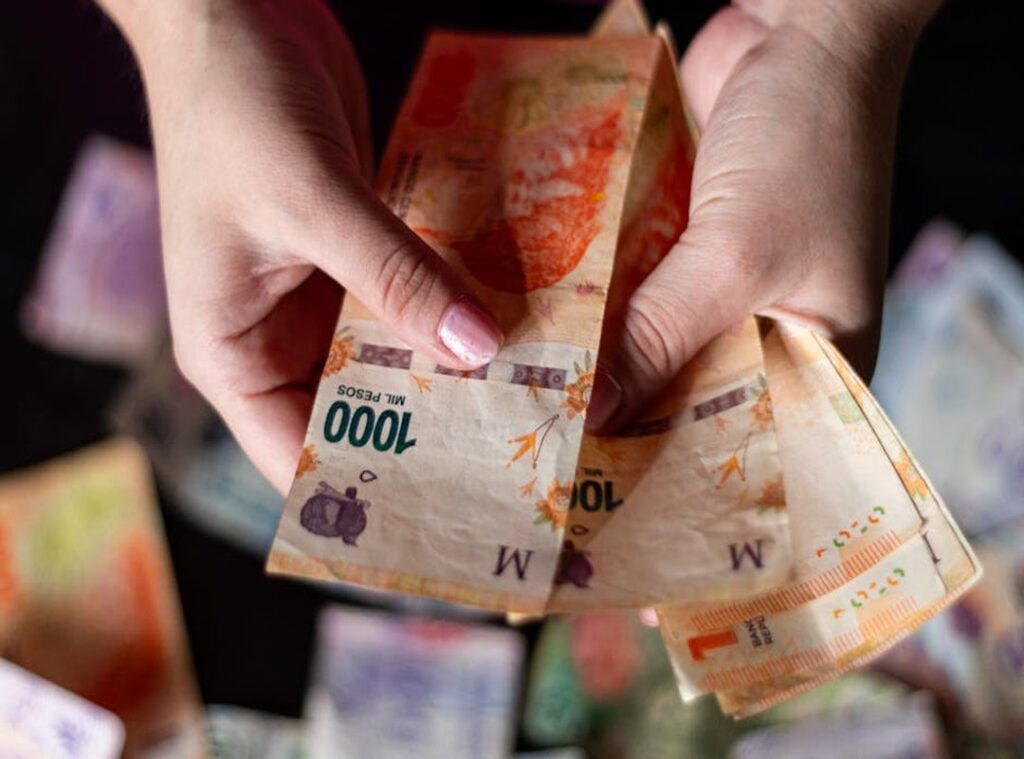
I know exchange rates can be a real headache. They change all the time, and it’s hard to figure out if you’re getting a fair deal. This guide is here to help with that. 27000 pesos mexicanos a pesos chilenos—that’s what we’re focusing on.
We’ll give you the current rate, no problem. But we’ll also break down the factors that affect the rate. That way, you can understand why it’s what it’s worth.
Whether you’re planning a trip, sending money, or just curious, this guide covers all the essential details. You’ll get more than just a number. You’ll get the knowledge to make the most of your pesos.
The Current Value: What 27,000 MXN is Worth in CLP Today
Today, 27,000 MXN is approximately 1,350,000 CLP.
Let’s break it down:
1. Find the current mid-market exchange rate.
2. Multiply that rate by 27,000.
The mid-market rate is the real exchange rate without the hidden fees that banks and conversion services add. It’s the midpoint between the buy and sell rates on the global currency markets.
Have you ever wondered why the amount you get from a bank or an ATM is different? That’s because they add their own fees and margins.
This rate fluctuates daily, so the amount you receive will depend on the service you use. Sound familiar?
To stay updated, consider bookmarking a reliable currency converter tool for real-time rates. This way, you can always know the latest value of 27000 pesos mexicanos a pesos chilenos.
Behind the Numbers: Why the MXN to CLP Exchange Rate Fluctuates
Let’s talk about floating exchange rates. It’s when a currency’s value isn’t fixed but changes based on supply and demand. Simple, right?
Economic health is a big deal. Inflation and GDP growth in both Mexico and Chile play a huge role. If one country has high inflation, its currency tends to weaken.
On the other hand, strong GDP growth can make a currency stronger.
Interest rates matter too. When Banco de México or the Central Bank of Chile adjust their rates, it affects how attractive their currencies are to foreign investors. Higher interest rates can draw more investment, boosting the currency’s value.
Lower rates? Not so much.
Commodity prices also shake things up. Mexico’s oil exports and Chile’s copper exports are key. If global oil prices rise, the Mexican peso might strengthen.
Similarly, if copper prices go up, the Chilean peso benefits.
Pro tip: Keep an eye on these factors. They help you understand why 27000 pesos mexicanos a pesos chilenos might change from one day to the next.
In a nutshell, these factors create a dynamic market. The rate you see today might be different tomorrow. Stay informed and make smart decisions.
How to Get the Best Exchange Rate: 3 Smart Methods (and 1 to Avoid)
When you’re traveling or sending money, getting the best exchange rate can save you a lot of cash. Let’s break it down.
Method 1: Online Money Transfer Services
Use services like Wise or Remitly. They offer rates close to the mid-market rate with transparent fees. This is ideal for sending money to someone.
No hidden surprises here.
Method 2: Travel-Focused Debit/Credit Cards
Get a card with no foreign transaction fees. These cards automatically give you a competitive exchange rate when you make purchases or withdraw from an ATM in Chile. It’s a no-brainer if you travel often.
Method 3: Reputable Currency Exchange Houses
If you must use cash, avoid airport kiosks. Find a well-reviewed exchange house in a major Chilean city. This way, you get better rates and lower fees.
The Method to Avoid: Airport Currency Exchange Kiosks
These kiosks offer the worst rates and highest fees. Why? Convenience and a captive audience.
You’re better off planning ahead.
Clear, Actionable Takeaway
Planning your currency exchange in advance will always save you money. Whether you’re sending 27000 pesos mexicanos a pesos chilenos or just grabbing a coffee, a little prep goes a long way.
And while we’re on the topic of making smart choices, why not also think about enhancing your outdoor space? (It’s all about making the most of your resources, right?) Consider choosing plants that enhance outdoor mood and comfort. It’s a small step that can make a big difference.
Putting Your Money to Use: What Your CLP Buys in Chile
When I first landed in Santiago, I was a bit confused about the local currency. 27000 pesos mexicanos a pesos chilenos can go a long way if you know where to spend it.
A cup of coffee in Santiago will set you back around 1,500-2,000 CLP. Not bad, right?
You can grab a menú del día (lunch special) for about 4,000-6,000 CLP. It’s a great way to try local cuisine without breaking the bank.
A metro ride in the city costs 750 CLP. Public transport is pretty efficient and affordable.
If you’re into wine, a decent bottle of good Chilean wine will run you about 8,000-12,000 CLP. Perfect for a relaxing evening.
Credit and debit cards are widely accepted in cities. But having some cash (efectivo) is essential for smaller towns, local markets, and tips.
Tipping culture in Chile is straightforward. A standard 10% propina sugerida is often added to restaurant bills. If it’s not included, leaving 10% is a good rule of thumb.
This section should help you visualize the value of your money and make the most of your trip.
Making Your 27,000 Pesos Go Further
27000 pesos mexicanos a pesos chilenos is more than just knowing the daily rate; it’s about understanding how to get the most value from the exchange. You no longer have to guess if you’re getting a fair deal. Always check the mid-market rate.
Choose a low-fee conversion method like an online service or a travel-friendly card. With this knowledge, you can confidently manage your finances for your travels or other financial transactions.

 Ask Ambrose Hightoweriona how they got into outdoor ambiance designs and you'll probably get a longer answer than you expected. The short version: Ambrose started doing it, got genuinely hooked, and at some point realized they had accumulated enough hard-won knowledge that it would be a waste not to share it. So they started writing.
What makes Ambrose worth reading is that they skips the obvious stuff. Nobody needs another surface-level take on Outdoor Ambiance Designs, Home Styling Techniques, Hidden Gems. What readers actually want is the nuance — the part that only becomes clear after you've made a few mistakes and figured out why. That's the territory Ambrose operates in. The writing is direct, occasionally blunt, and always built around what's actually true rather than what sounds good in an article. They has little patience for filler, which means they's pieces tend to be denser with real information than the average post on the same subject.
Ambrose doesn't write to impress anyone. They writes because they has things to say that they genuinely thinks people should hear. That motivation — basic as it sounds — produces something noticeably different from content written for clicks or word count. Readers pick up on it. The comments on Ambrose's work tend to reflect that.
Ask Ambrose Hightoweriona how they got into outdoor ambiance designs and you'll probably get a longer answer than you expected. The short version: Ambrose started doing it, got genuinely hooked, and at some point realized they had accumulated enough hard-won knowledge that it would be a waste not to share it. So they started writing.
What makes Ambrose worth reading is that they skips the obvious stuff. Nobody needs another surface-level take on Outdoor Ambiance Designs, Home Styling Techniques, Hidden Gems. What readers actually want is the nuance — the part that only becomes clear after you've made a few mistakes and figured out why. That's the territory Ambrose operates in. The writing is direct, occasionally blunt, and always built around what's actually true rather than what sounds good in an article. They has little patience for filler, which means they's pieces tend to be denser with real information than the average post on the same subject.
Ambrose doesn't write to impress anyone. They writes because they has things to say that they genuinely thinks people should hear. That motivation — basic as it sounds — produces something noticeably different from content written for clicks or word count. Readers pick up on it. The comments on Ambrose's work tend to reflect that.